


Hey there! As an acetone supplier, I often get asked a bunch of questions about the uses of acetone. One question that pops up quite a bit is, "Can acetone be used to clean titanium?" Well, let's dive right into it and find out.
First off, let's talk a bit about acetone. Acetone is a common solvent that's widely used in various industries. It's colorless, volatile, and has a distinct smell. You can find it in nail polish removers, paint thinners, and even some cleaning products. It's known for its ability to dissolve a wide range of substances, which makes it a popular choice for cleaning and degreasing.
Now, let's turn our attention to titanium. Titanium is a super cool metal. It's lightweight, strong, and highly resistant to corrosion. That's why it's used in so many applications, from aerospace parts to medical implants. But like any metal, it can get dirty over time, and sometimes it needs a good cleaning.
So, can acetone be used to clean titanium? The short answer is yes, in most cases. Acetone is great for removing oils, greases, and some types of organic contaminants from titanium surfaces. When you use acetone to clean titanium, it quickly dissolves the unwanted substances, leaving the titanium clean and ready for further processing or use.
Here's how you can use acetone to clean titanium. First, make sure you're in a well - ventilated area because acetone fumes can be a bit strong. Put on some gloves to protect your hands. Then, soak a clean cloth or a cotton swab in acetone. Gently wipe the titanium surface with the acetone - soaked cloth or swab. You'll notice that the dirt and grime start to come off easily. After you've cleaned the surface, let it dry completely in the open air.
However, there are a few things you need to be careful about. Titanium can be sensitive to certain chemicals under specific conditions. If the titanium has a special coating or treatment, using acetone might damage it. For example, some anodized titanium finishes could be affected by acetone. So, before you go ahead and use acetone on a large scale, it's a good idea to test it on a small, inconspicuous area first.
Another thing to keep in mind is that acetone is flammable. So, keep it away from open flames, sparks, or any sources of heat. Also, don't let it come into contact with your eyes or mouth. If you accidentally spill some acetone, clean it up right away using a dry cloth.
Now, let's talk about some alternatives to acetone for cleaning titanium. There are other solvents that can also do the job. One option is CYCLOHEXANONE CAS 108 - 94 - 1. Cyclohexanone is also a powerful solvent that can dissolve many types of contaminants. It might be a better choice if you're dealing with tougher stains or more stubborn greases.
Sodium Hydroxide CAS 1310 - 73 - 2 can also be used in some cases. But be extremely careful with sodium hydroxide because it's a strong base and can be very corrosive. It's usually used in a diluted form for cleaning titanium and should only be handled by people who know what they're doing.
2 - Butanone CAS 78 - 93 - 3 is another alternative. It has similar properties to acetone and can be used for cleaning titanium surfaces. It's a bit less volatile than acetone, which might be an advantage in some situations.

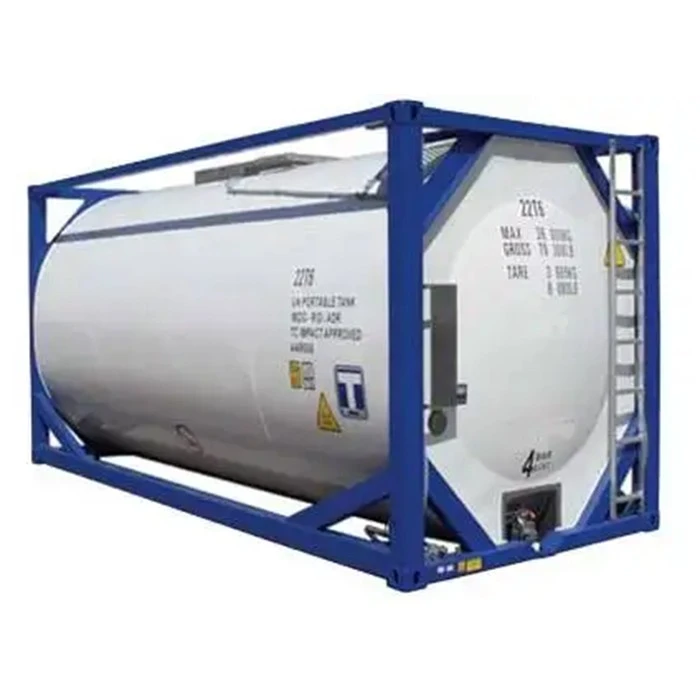
When choosing a cleaning agent for titanium, you need to consider the type of contaminants, the condition of the titanium surface, and the specific requirements of your application. For general cleaning of titanium without any special coatings, acetone is often a great choice because it's readily available, relatively inexpensive, and easy to use.
In the industrial setting, acetone is often used in large - scale cleaning operations. For example, in a titanium manufacturing plant, acetone can be used to clean titanium parts before they go through the machining or finishing processes. This helps to ensure the quality of the final product by removing any impurities that could affect the machining or the performance of the titanium.
In the medical field, where titanium is used for implants, proper cleaning is crucial. Acetone can be used to clean titanium implants before sterilization. It helps to remove any organic residues that could cause infections or other complications.
If you're in an industry that uses titanium and you're looking for a reliable source of acetone for cleaning, I'm here to help. As an acetone supplier, I can provide you with high - quality acetone that meets your specific needs. Whether you need a small amount for a DIY project or a large quantity for an industrial application, I've got you covered.
Contact me if you're interested in purchasing acetone for cleaning your titanium products. We can have a chat about your requirements, and I'll do my best to offer you the best deal possible. I can also provide you with some tips on how to use acetone safely and effectively.
In conclusion, acetone can be a great option for cleaning titanium in many cases. But always be cautious, test it first, and follow the safety guidelines. And if you have any questions or need more information, don't hesitate to reach out.
References
- "The Properties and Applications of Titanium" - Metallurgy Handbook
- "Solvents in Industrial Cleaning" - Chemical Industry Journal
- "Medical Applications of Titanium" - Medical Device Technology Magazine