


Hey there! As a hydrofluoric acid supplier, I've been getting a lot of questions about how hydrofluoric acid interacts with organic compounds. So, I thought I'd sit down and write a blog post to share what I know.
First off, let's talk a bit about hydrofluoric acid itself. Hydrofluoric acid, with the Hydrofluoric Acid CAS 7664-39-3, is a highly corrosive and dangerous substance. It's made up of hydrogen and fluorine atoms, and it's known for its unique properties. Unlike other strong acids, hydrofluoric acid can dissolve glass, which is pretty wild, right?
Now, when it comes to its interaction with organic compounds, things get a bit more complicated. Organic compounds are basically molecules that contain carbon atoms, and they're everywhere in our lives - from the food we eat to the clothes we wear.
One of the main ways hydrofluoric acid can interact with organic compounds is through a process called fluorination. Fluorination is when a fluorine atom replaces another atom in an organic molecule. This can have a huge impact on the properties of the organic compound. For example, adding fluorine to an organic compound can make it more stable, more resistant to heat and chemicals, and can even change its solubility.
Let's take a look at some specific examples. One common organic compound that can react with hydrofluoric acid is Isobutylene CAS 115-11-7. Isobutylene is a colorless gas that's used in the production of a lot of different things, like rubber and gasoline additives. When isobutylene reacts with hydrofluoric acid, it can undergo a reaction called hydrofluorination. In this reaction, the hydrofluoric acid adds a hydrogen atom and a fluorine atom to the isobutylene molecule. This forms a new compound that has different properties than the original isobutylene. The new compound might be more stable, or it might have different chemical reactivity, which can be useful in various industrial processes.
Another example is the reaction with Allantoin CAS 97-59-6. Allantoin is a compound that's found in some plants and animals, and it's used in a lot of skincare products because it has soothing and moisturizing properties. When allantoin reacts with hydrofluoric acid, the acid can break down the allantoin molecule. This might seem like a bad thing, but in some cases, it can be used to create new compounds with different properties. Scientists can study these new compounds to see if they have any potential uses, like in medicine or new materials.
But it's not all smooth sailing when it comes to the interaction between hydrofluoric acid and organic compounds. Hydrofluoric acid is extremely reactive, and it can cause a lot of damage if not handled properly. When it reacts with some organic compounds, it can release toxic gases or cause explosions. That's why it's so important to follow all the safety guidelines when working with hydrofluoric acid.
In industrial settings, the reaction between hydrofluoric acid and organic compounds is carefully controlled. Chemists and engineers use special equipment and techniques to make sure the reactions happen in a safe and efficient way. They also have to consider the environmental impact of these reactions. For example, if a reaction produces a lot of waste products, they need to find a way to dispose of them properly so they don't harm the environment.
Now, you might be wondering why we even bother with these reactions. Well, the products that are formed from the interaction between hydrofluoric acid and organic compounds have a lot of useful applications. For example, fluorinated organic compounds are used in the production of refrigerants, which are essential for keeping our food cold and our homes cool. They're also used in the pharmaceutical industry to create new drugs that can treat a variety of diseases.

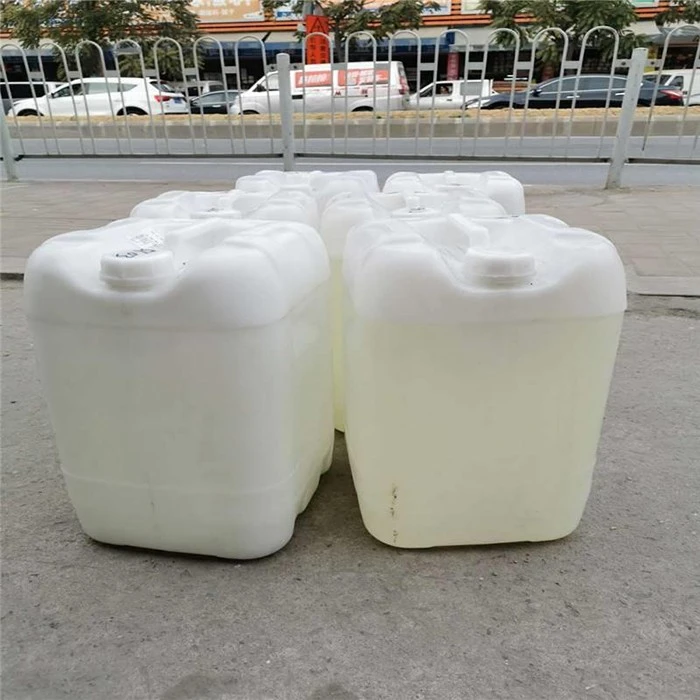
If you're in an industry that could benefit from the use of hydrofluoric acid or are interested in learning more about its interaction with organic compounds, I'd love to chat. Whether you're working on developing new materials, creating pharmaceuticals, or involved in any other project that might require hydrofluoric acid, I can provide you with high - quality hydrofluoric acid and the support you need. Just reach out to me, and we can start a conversation about your specific needs.
In conclusion, the interaction between hydrofluoric acid and organic compounds is a fascinating area of chemistry. It has the potential to create new and useful products, but it also comes with a lot of risks. By understanding how these reactions work and taking the necessary safety precautions, we can harness the power of hydrofluoric acid to make a positive impact in various industries.
References
- Brown, J. (2018). "Chemistry of Fluorine Compounds". New York: Chemical Press.
- Green, M. (2020). "Organic Reactions with Strong Acids". London: Science Publishers.