


Hey there! As a lithium carbonate supplier, I often get asked a bunch of questions about lithium carbonate, and one that pops up quite a bit is, "Is lithium carbonate soluble in water?" Let's dig into this topic and clear up any confusion.
First off, let's talk about what solubility means. Solubility is basically how well a substance can dissolve in a particular solvent, and in this case, the solvent is water. When we say a substance is soluble in water, it means it can mix with water and form a homogeneous solution. If it's insoluble, well, it won't mix evenly and will usually settle at the bottom.
So, is lithium carbonate soluble in water? The short answer is it has limited solubility. Lithium carbonate is sparingly soluble in water. At room temperature (around 25°C), only about 1.33 grams of lithium carbonate can dissolve in 100 milliliters of water. That's not a whole lot compared to some other substances that can dissolve much more readily.
Now, let's break down why this limited solubility happens. It all comes down to the chemical structure and properties of lithium carbonate. Lithium carbonate is an ionic compound, made up of lithium ions (Li⁺) and carbonate ions (CO₃²⁻). When it's put in water, the water molecules try to surround and separate these ions. But the strong electrostatic forces between the lithium and carbonate ions make it a bit of a challenge for the water molecules to break them apart.
The solubility of lithium carbonate also changes with temperature. As the temperature goes up, the solubility of lithium carbonate actually decreases. This is the opposite of what happens with most substances, which tend to become more soluble as the temperature rises. For example, at 100°C, the solubility of lithium carbonate drops to about 0.72 grams per 100 milliliters of water. This is because the heat affects the balance between the energy needed to break the ionic bonds in lithium carbonate and the energy released when the ions interact with water molecules.
There are also some other factors that can affect the solubility of lithium carbonate in water. One of these is the presence of other substances in the water. For instance, if there are other ions in the water that can react with the lithium or carbonate ions, it can change the solubility. Some salts can form complexes with the lithium or carbonate ions, making them more or less likely to stay in solution.
Another factor is the pH of the water. The solubility of lithium carbonate is pH - dependent. In acidic solutions, the carbonate ions react with hydrogen ions (H⁺) to form carbon dioxide (CO₂) and water. This reaction effectively removes the carbonate ions from the solution, driving the dissolution of more lithium carbonate to maintain the chemical equilibrium. On the other hand, in basic solutions, the solubility is lower because there are fewer hydrogen ions to react with the carbonate ions.
Now, you might be wondering why the solubility of lithium carbonate matters. Well, it has a big impact on its applications. Lithium carbonate is widely used in the production of lithium - ion batteries, which are used in everything from smartphones to electric vehicles. In battery manufacturing, the solubility of lithium carbonate affects how it can be processed and incorporated into the battery components. If it's not properly dissolved or dispersed, it can lead to issues with the battery's performance and longevity.
It's also used in the pharmaceutical industry. Lithium carbonate is a mood - stabilizing drug used to treat bipolar disorder. The solubility of the compound is important for its absorption in the body. If it's not soluble enough, it might not be effectively absorbed, and the drug won't work as well.
As a lithium carbonate supplier, I understand the importance of providing high - quality products with consistent solubility properties. We carefully control the production process to ensure that the lithium carbonate we supply meets the specific requirements of our customers. Whether you're in the battery industry, pharmaceuticals, or other sectors that use lithium carbonate, we can provide you with a product that suits your needs.
Now, let's touch on some related substances. You might be interested in other chemicals that are used in conjunction with lithium carbonate or have similar properties. For example, Ammonium Bromide CAS 12124 - 97 - 9 is an inorganic compound that has its own unique solubility and chemical properties. It's used in various industries, including photography and pharmaceuticals.
Another substance is Tetrahydrofuran CAS 109 - 99 - 9. It's a colorless, water - miscible organic liquid that's often used as a solvent. Its solubility and chemical reactivity make it useful in a wide range of chemical reactions and processes.
And then there's Hydrochloric Acid CAS 7647 - 01 - 0. This strong acid is highly soluble in water and is used in many industrial processes, such as metal pickling and the production of various chemicals.
If you're in the market for lithium carbonate or any of these related chemicals, I'd love to have a chat with you. Whether you need a small quantity for research purposes or a large - scale supply for industrial production, we can work together to find the best solution for your needs. Just reach out, and we can start the conversation about your specific requirements.

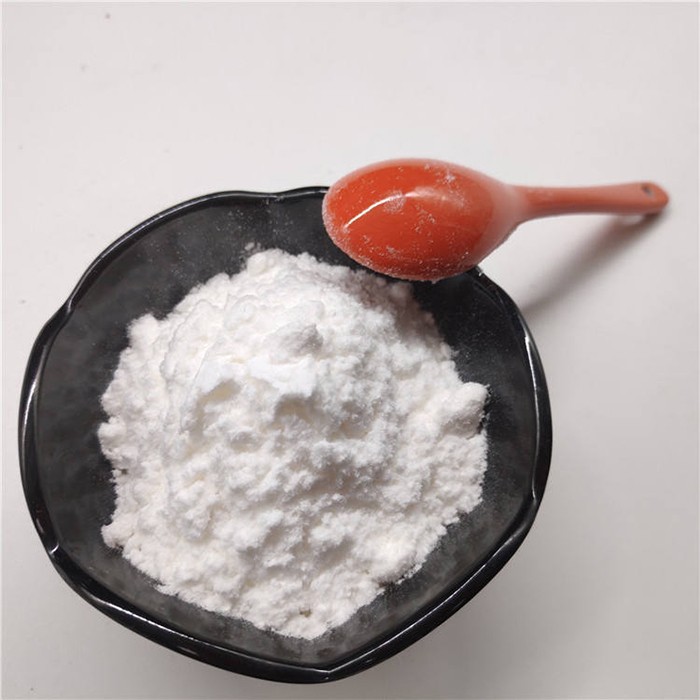
In conclusion, lithium carbonate has limited solubility in water, which is influenced by factors like temperature, pH, and the presence of other substances. This solubility characteristic plays a crucial role in its various applications. As a supplier, we're committed to providing top - notch products and excellent service. So, if you're interested in purchasing lithium carbonate or have any questions about it, don't hesitate to get in touch.
References
- "Handbook of Chemistry and Physics". CRC Press.
- Journal articles on lithium carbonate solubility and applications.