


Toluene, also known as methylbenzene, is a widely used organic compound with a variety of industrial applications. As a toluene supplier, I often encounter questions about its toxicity. In this blog post, I will explore the topic of toluene toxicity, providing scientific insights and practical information to help you better understand this important chemical.
Chemical Properties of Toluene
Toluene is a clear, colorless liquid with a sweet, pungent odor. It is highly flammable and has a relatively low boiling point, which makes it volatile at room temperature. Chemically, toluene is an aromatic hydrocarbon, belonging to the same family as Benzene CAS 71-43-2. It consists of a benzene ring with a methyl group (-CH₃) attached to one of the carbon atoms. This structure gives toluene unique chemical and physical properties that make it useful in many industries.
Industrial Uses of Toluene
Toluene is a versatile chemical with a wide range of applications. Some of the most common uses include:
- Solvent: Toluene is an excellent solvent for many organic compounds, including paints, coatings, adhesives, and rubber. It can dissolve a variety of substances, making it useful in the manufacturing of products such as automotive paints, furniture finishes, and printing inks.
- Chemical Intermediate: Toluene is used as a starting material in the production of many other chemicals. For example, it can be converted into Phthalic Anhydride CAS 85-44-9, which is used in the manufacture of plastics, resins, and dyes. It is also used in the production of explosives, pharmaceuticals, and pesticides.
- Gasoline Additive: Toluene is sometimes added to gasoline to increase its octane rating, which improves engine performance and reduces knocking. However, due to its toxicity, the use of toluene in gasoline is regulated in many countries.
Toxicity of Toluene
The question of whether toluene is toxic is a complex one. Like many chemicals, toluene can be harmful if it is not handled properly. The toxicity of toluene depends on several factors, including the route of exposure, the duration and intensity of exposure, and the individual's susceptibility.
Inhalation Exposure
Inhalation is the most common route of exposure to toluene in the workplace. Breathing in high concentrations of toluene vapor can cause a variety of health effects, including:
- Central Nervous System Effects: Toluene is a central nervous system depressant. Inhalation of high concentrations can cause dizziness, headache, nausea, vomiting, confusion, and in severe cases, unconsciousness and death. Chronic exposure to lower concentrations of toluene vapor can also lead to neurological problems, such as memory loss, tremors, and difficulty concentrating.
- Respiratory Effects: Inhalation of toluene vapor can irritate the respiratory tract, causing coughing, wheezing, and shortness of breath. Prolonged exposure can lead to more serious respiratory problems, such as bronchitis and pneumonia.
- Cardiovascular Effects: Toluene can affect the cardiovascular system, causing irregular heart rhythms and increased blood pressure. In severe cases, it can lead to heart failure.
Skin and Eye Exposure
Toluene can also be absorbed through the skin and eyes. Skin contact with toluene can cause irritation, redness, and dryness. Prolonged or repeated skin exposure can lead to dermatitis. Eye contact with toluene can cause irritation, pain, and damage to the cornea.
Ingestion Exposure
Ingestion of toluene is less common but can be extremely dangerous. Swallowing toluene can cause severe irritation and damage to the digestive tract, as well as central nervous system depression, respiratory failure, and death.
Safety Measures for Handling Toluene
Given the potential toxicity of toluene, it is important to take appropriate safety measures when handling this chemical. Some of the key safety measures include:
- Ventilation: Ensure adequate ventilation in areas where toluene is used or stored. This helps to reduce the concentration of toluene vapor in the air and minimize the risk of inhalation exposure.
- Personal Protective Equipment (PPE): Wear appropriate PPE, such as gloves, goggles, and respirators, when handling toluene. This helps to protect the skin, eyes, and respiratory system from exposure.
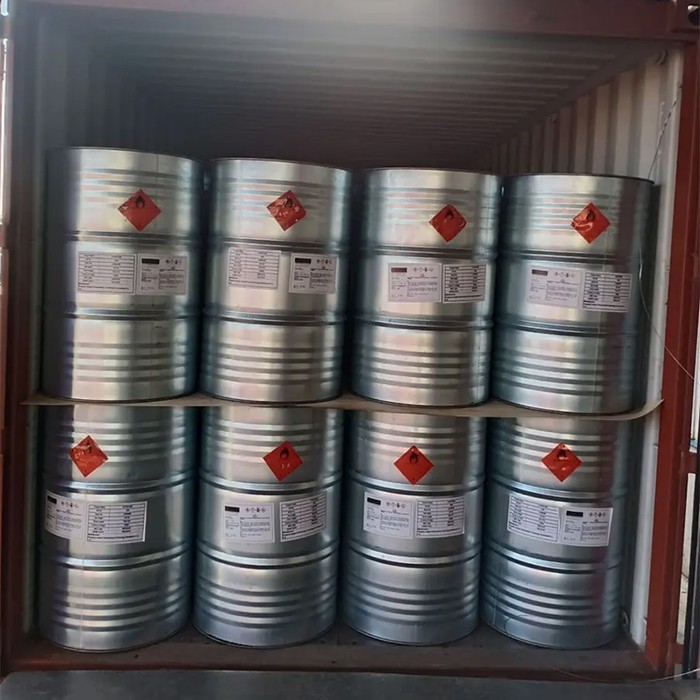
- Storage and Handling: Store toluene in a cool, dry, well-ventilated area away from sources of heat and ignition. Follow proper handling procedures to prevent spills and leaks.
- Training and Education: Provide training and education to employees on the proper handling, storage, and use of toluene. This helps to ensure that they are aware of the potential hazards and know how to protect themselves.
Regulatory Standards for Toluene
To protect human health and the environment, many countries have established regulatory standards for the use and exposure to toluene. These standards typically include limits on the concentration of toluene in the air, water, and soil, as well as requirements for labeling, packaging, and transportation. For example, in the United States, the Occupational Safety and Health Administration (OSHA) has set a permissible exposure limit (PEL) for toluene of 200 parts per million (ppm) over an 8-hour workday.
Conclusion
In conclusion, toluene is a useful but potentially toxic chemical. While it has many important industrial applications, it is essential to handle it with care to minimize the risk of exposure and adverse health effects. By following proper safety procedures and regulatory standards, we can ensure the safe use of toluene in the workplace and protect the health of workers and the environment.
If you are in need of high-quality toluene for your industrial applications, we are here to help. Our company is a reliable supplier of toluene, offering competitive prices and excellent customer service. We are committed to providing our customers with the best products and solutions to meet their needs. If you have any questions or would like to discuss your toluene requirements, please feel free to contact us. We look forward to working with you.
References
- American Conference of Governmental Industrial Hygienists (ACGIH). TLVs and BEIs: Threshold Limit Values for Chemical Substances and Physical Agents and Biological Exposure Indices. Cincinnati, OH: ACGIH, 2023.
- National Institute for Occupational Safety and Health (NIOSH). NIOSH Pocket Guide to Chemical Hazards. Washington, DC: U.S. Government Printing Office, 2023.
- Occupational Safety and Health Administration (OSHA). Occupational Safety and Health Standards. 29 CFR Part 1910. Washington, DC: U.S. Government Printing Office, 2023.