


Hey there! I'm a supplier of organic chemicals, and I'm super stoked to chat with you about what organic chemicals are. Organic chemicals are everywhere in our daily lives, and they play a crucial role in various industries. So, let's dive right in!
What Are Organic Chemicals?
Organic chemicals are basically compounds that contain carbon atoms. Carbon is a super special element because it can form strong bonds with other carbon atoms and a wide range of other elements like hydrogen, oxygen, nitrogen, and more. This ability to form diverse bonds is what makes organic chemicals so versatile and important.
Most organic chemicals are derived from living organisms or fossil fuels. They can be found in nature, like the essential oils in plants or the hydrocarbons in crude oil. But we also make tons of them in laboratories and factories through chemical reactions.
Types of Organic Chemicals
There are heaps of different types of organic chemicals, but I'll break down some of the main ones for you.
Hydrocarbons
Hydrocarbons are the simplest type of organic chemicals. They're made up of only carbon and hydrogen atoms. There are two main types: aliphatic and aromatic hydrocarbons.
Aliphatic hydrocarbons can be further divided into alkanes, alkenes, and alkynes. Alkanes are saturated hydrocarbons, which means they only have single bonds between carbon atoms. Methane (CH₄), the main component of natural gas, is the simplest alkane. Alkenes have at least one carbon-carbon double bond, and alkynes have at least one carbon-carbon triple bond.
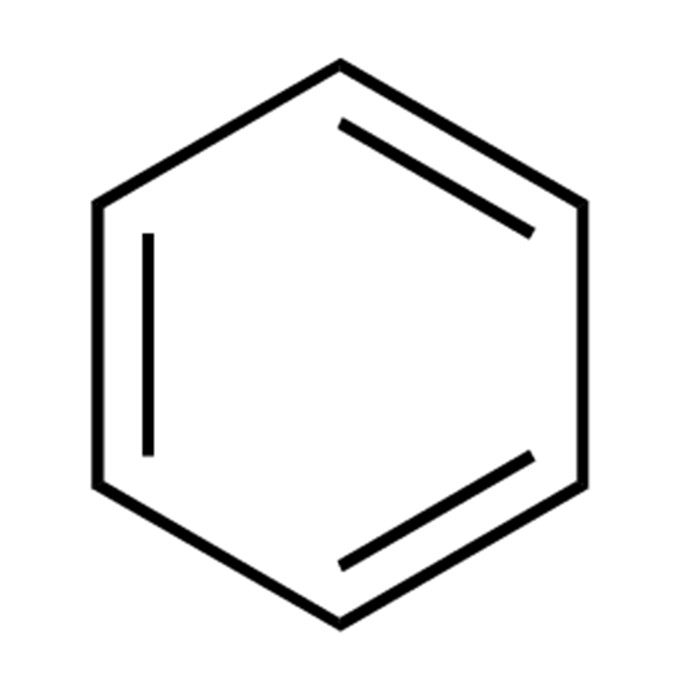
Aromatic hydrocarbons, on the other hand, have a special ring structure. The most well - known aromatic hydrocarbon is Benzene CAS 71 - 43 - 2. Benzene has a six - carbon ring with alternating single and double bonds, which gives it unique chemical properties.
Alcohols
Alcohols are organic compounds that have a hydroxyl (-OH) group attached to a carbon atom. Ethanol (C₂H₅OH), the alcohol in alcoholic beverages, is a common example. Alcohols are used in a wide range of applications, from solvents in the chemical industry to disinfectants in the medical field.
Aldehydes and Ketones
Both aldehydes and ketones have a carbonyl group (C = O). In aldehydes, the carbonyl group is at the end of the carbon chain, while in ketones, it's in the middle. Formaldehyde, an aldehyde, is used in the production of plastics and resins. Acetone, a ketone, is a popular solvent.
Carboxylic Acids
Carboxylic acids have a carboxyl group (-COOH). They're acidic in nature. Acetic acid (CH₃COOH), the main component of vinegar, is a well - known carboxylic acid. Carboxylic acids are used in the production of esters, which are used in perfumes and flavorings.
Esters
Esters are formed when a carboxylic acid reacts with an alcohol. They have a sweet, fruity smell and are widely used in the perfume and food industries. For example, ethyl acetate has a smell similar to bananas.
Applications of Organic Chemicals
Organic chemicals are used in almost every industry you can think of.
Agriculture
In agriculture, organic chemicals are used as pesticides, fertilizers, and herbicides. For example, some pesticides are made from organic compounds that can target specific pests without harming the crops too much.
Pharmaceutical Industry
The pharmaceutical industry relies heavily on organic chemicals. Most drugs are organic compounds. Scientists design and synthesize organic molecules to target specific diseases in the human body. For example, aspirin, a common pain reliever, is an organic chemical.
Food Industry
Organic chemicals are used as flavorings, preservatives, and colorants in the food industry. For instance, artificial sweeteners like aspartame are organic compounds.
Cosmetics and Personal Care
Many ingredients in cosmetics and personal care products are organic chemicals. For example, emollients like lanolin, which is used in lotions to keep the skin soft, are organic.
Petrochemical Industry
The petrochemical industry is all about organic chemicals. Crude oil is a rich source of hydrocarbons, which are processed to make fuels like gasoline, diesel, and jet fuel. It's also used to produce plastics, synthetic rubber, and other materials.
Our Offerings as an Organic Chemical Supplier
As an organic chemical supplier, we offer a wide range of high - quality organic chemicals. We have Toluene CAS 108 - 88 - 3, which is used as a solvent in the paint and coatings industry. Toluene is also an important raw material for the production of other chemicals.
We also supply Ortho - xylene CAS 95 - 47 - 6, which is used in the production of phthalic anhydride, a key ingredient in the manufacture of plasticizers.
Our products are sourced from reliable manufacturers, and we ensure that they meet the highest quality standards. We have a team of experts who can provide technical support and advice to our customers.
Why Choose Us?
- Quality Assurance: We test all our products thoroughly to make sure they meet the required specifications.
- Competitive Pricing: We offer our products at competitive prices without compromising on quality.
- Fast Delivery: We understand the importance of timely delivery, and we work hard to get our products to you as quickly as possible.
Let's Connect!
If you're in the market for organic chemicals, I'd love to talk to you. Whether you need a small quantity for research or a large order for your industry, we've got you covered. Reach out to us to discuss your requirements, and we can work together to find the best solutions for your business.
References
- Brown, T. L., LeMay, H. E., Bursten, B. E., Murphy, C. J., Woodward, P. M., & Stoltzfus, M. W. (2017). Chemistry: The Central Science. Pearson.
- McMurry, J. (2015). Organic Chemistry. Cengage Learning.