


Hey there! As a supplier of Ethylene Glycol Dicarboxylate, I'm super excited to share with you all the awesome advantages of using this incredible chemical as a plasticizer. So, let's dive right in!
1. Compatibility Galore
One of the biggest perks of Ethylene Glycol Dicarboxylate as a plasticizer is its amazing compatibility with a wide range of polymers. Whether it's PVC (polyvinyl chloride), which is one of the most commonly used plastics in the world, or other polymers like polyurethanes and rubbers, Ethylene Glycol Dicarboxylate can blend in seamlessly. This compatibility is crucial because it allows for a more uniform distribution of the plasticizer throughout the polymer matrix. When the plasticizer is evenly spread, it can effectively reduce the glass - transition temperature of the polymer, making it more flexible and easier to process.
For example, in PVC products such as cables and flooring, the ability of Ethylene Glycol Dicarboxylate to mix well with the polymer ensures that the final product has consistent physical properties. There are no clumps or areas with different levels of flexibility, which is a common issue when using less - compatible plasticizers. This results in a higher - quality end - product that meets the strict standards of various industries.
2. Low Volatility
Volatility is a major concern when it comes to plasticizers. High - volatility plasticizers tend to evaporate over time, which can lead to several problems. First of all, as the plasticizer evaporates, the polymer gradually loses its flexibility and becomes brittle. This can significantly reduce the lifespan of the plastic product.
Ethylene Glycol Dicarboxylate, on the other hand, has low volatility. This means that once it's incorporated into the polymer, it stays there for a long time. In applications like automotive interiors, where the plastic parts are exposed to high temperatures, low - volatility plasticizers are essential. The use of Ethylene Glycol Dicarboxylate ensures that the dashboard, door panels, and other plastic components remain flexible and don't crack or become hard over time. This not only improves the aesthetics of the vehicle but also enhances its safety and comfort.
3. Excellent Plasticizing Efficiency
Plasticizing efficiency refers to how effectively a plasticizer can reduce the stiffness of a polymer and increase its flexibility. Ethylene Glycol Dicarboxylate has a high plasticizing efficiency, which means that you can use less of it to achieve the same level of flexibility compared to some other plasticizers.
This is a huge advantage from a cost - perspective. In large - scale manufacturing, even a small reduction in the amount of plasticizer needed can lead to significant cost savings. For instance, in the production of plastic films used in packaging, using Ethylene Glycol Dicarboxylate allows manufacturers to produce more flexible and durable films with less plasticizer, reducing the overall production cost.
4. Good Thermal Stability
Thermal stability is another important factor when choosing a plasticizer. Many plastic products go through processes that involve high temperatures, such as extrusion, injection molding, and thermoforming. During these processes, a plasticizer with poor thermal stability can degrade, which can lead to discoloration, the formation of unpleasant odors, and a decrease in the mechanical properties of the polymer.
Ethylene Glycol Dicarboxylate has good thermal stability. It can withstand high temperatures without breaking down. This makes it suitable for a wide range of high - temperature applications. For example, in the production of plastic pipes that are used in hot - water systems, the thermal stability of Ethylene Glycol Dicarboxylate ensures that the pipes maintain their flexibility and strength even when exposed to hot water for long periods.
5. Environmental Friendliness
In today's world, environmental concerns are at the forefront of many industries. Many traditional plasticizers, such as phthalates, have been found to have negative environmental impacts and potential health risks. Ethylene Glycol Dicarboxylate is a more environmentally friendly alternative.
It is biodegradable, which means that it can break down naturally over time. This reduces the amount of plastic waste that ends up in landfills and the environment. Additionally, it has a low toxicity level. This makes it a safer choice for products that come into contact with food, such as food packaging materials. The use of Ethylene Glycol Dicarboxylate in these applications ensures that there is no risk of harmful chemicals leaching into the food, protecting the health of consumers.
6. Improved Mechanical Properties
When Ethylene Glycol Dicarboxylate is used as a plasticizer, it can enhance the mechanical properties of the polymer. It can increase the tensile strength, elongation at break, and impact resistance of the plastic product.

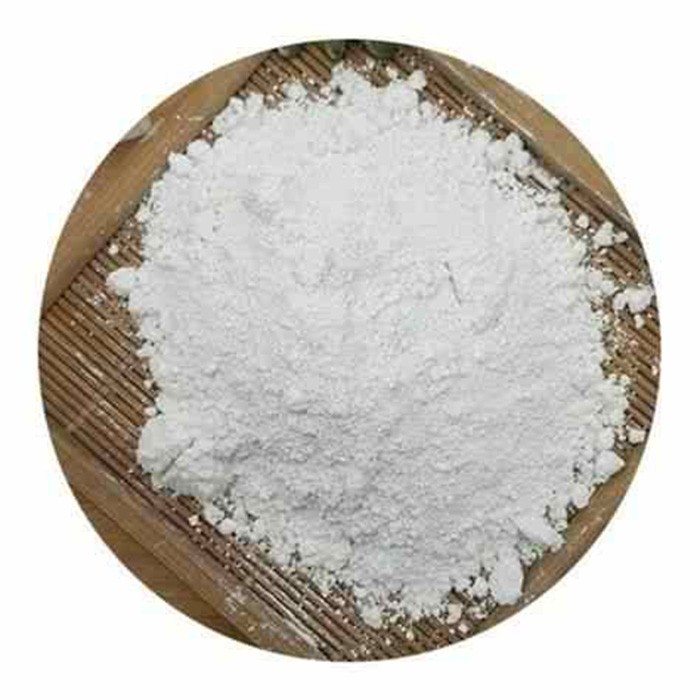
In the production of plastic containers, for example, the improved mechanical properties provided by Ethylene Glycol Dicarboxylate make the containers more durable. They can withstand more stress and pressure without breaking or cracking. This is especially important for containers that are used to store heavy or sharp - edged items.
7. Versatility in Applications
Ethylene Glycol Dicarboxylate is incredibly versatile. It can be used in a wide variety of applications across different industries. In the construction industry, it can be used in PVC pipes, flooring, and wall coverings. In the automotive industry, it's used in interior components. In the packaging industry, it's used in plastic films and containers.
This versatility makes it a go - to choice for manufacturers who need a single plasticizer that can be used in multiple products. It simplifies the supply chain and reduces the complexity of production.
If you're interested in learning more about Ethylene Glycol Dicarboxylate or are looking to purchase it for your manufacturing needs, feel free to reach out. We're here to provide you with high - quality Ethylene Glycol Dicarboxylate and offer any technical support you might need. You can find more information about Ethylene Glycol Dicarboxylate on our website Ethylene Glycol Dicarboxylate. Also, we have other interesting chemical products like 5 - Bromo - 2 - methylpyridine and 1 - naphthaleneboronic Acid that you might want to check out.
References
- Smith, J. (2020). "Advances in Plasticizer Technology". Journal of Polymer Science.
- Johnson, A. (2019). "Environmental Impact of Plasticizers". Environmental Science Review.
- Brown, C. (2021). "Mechanical Properties of Polymers with Different Plasticizers". Polymer Engineering Journal.