


Dishwashing liquids are a staple in every household, making the tedious task of cleaning dishes a breeze. But have you ever wondered what goes into these seemingly simple cleaning solutions? As a supplier of basic chemicals, I'm here to take you on a journey through the fundamental chemicals that make dishwashing liquids effective.
Surfactants: The Cleaning Powerhouses
Surfactants are the heart and soul of dishwashing liquids. These chemicals have a unique molecular structure that allows them to reduce the surface tension of water, enabling it to spread more easily and penetrate grease and dirt. There are two main types of surfactants used in dishwashing liquids: anionic and non - ionic.
Anionic surfactants, such as sodium lauryl sulfate (SLS) and sodium laureth sulfate (SLES), are the most commonly used. They have a negatively charged head and a long hydrocarbon tail. The hydrocarbon tail is attracted to grease and oil, while the negatively charged head is attracted to water. This dual - action property allows anionic surfactants to surround grease particles, break them up, and suspend them in water, making it easy to rinse them away.
Non - ionic surfactants, on the other hand, do not have a charge. They are often used in combination with anionic surfactants to enhance the cleaning power and reduce the irritation potential. Non - ionic surfactants are particularly effective at removing oily and greasy stains. They work by adsorbing onto the surface of grease and oil droplets, preventing them from re - aggregating and allowing them to be washed away.
Builders: Enhancing Cleaning Efficiency
Builders are another important component of dishwashing liquids. They help to improve the effectiveness of surfactants by softening the water. Hard water contains high levels of calcium and magnesium ions, which can react with surfactants and form insoluble salts, reducing their cleaning power. Builders such as sodium citrate and sodium carbonate bind to these calcium and magnesium ions, preventing them from interfering with the surfactants.
Sodium citrate is a natural and biodegradable builder. It is mild on the skin and has excellent chelating properties, which means it can form stable complexes with metal ions. Sodium carbonate, also known as washing soda, is a strong alkaline builder. It can increase the pH of the dishwashing liquid, which helps to break down grease and oil more effectively.

Solvents: Breaking Down Stubborn Stains
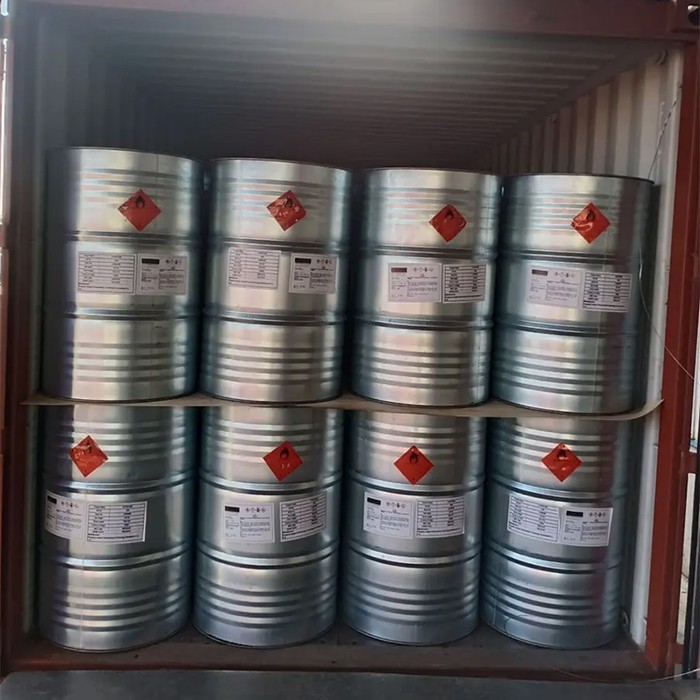
Solvents are used in dishwashing liquids to dissolve and break down stubborn stains. Some common solvents used in these products include Ortho - xylene CAS 95 - 47 - 6, 2 - Butanone CAS 78 - 93 - 3, and Benzene CAS 71 - 43 - 2. These organic solvents have the ability to dissolve oils, fats, and other organic substances that are difficult to remove with water alone.
Ortho - xylene is a colorless liquid with a sweet odor. It is commonly used as a solvent in industrial and household cleaning products. 2 - Butanone, also known as methyl ethyl ketone (MEK), is a fast - evaporating solvent that is effective at dissolving a wide range of organic compounds. Benzene is a highly flammable and toxic solvent, but in dishwashing liquids, it is used in very small amounts and is carefully regulated to ensure safety.
pH Adjusters: Maintaining the Right Balance
The pH of a dishwashing liquid is crucial for its cleaning performance and safety. Most dishwashing liquids have a slightly alkaline pH, usually between 7.5 and 9.5. This alkaline environment helps to break down grease and oil more effectively, but it also needs to be balanced to prevent skin irritation.
pH adjusters such as citric acid and sodium hydroxide are used to maintain the desired pH level. Citric acid is a weak acid that can be used to lower the pH of the dishwashing liquid if it is too alkaline. Sodium hydroxide, also known as caustic soda, is a strong base that can be used to increase the pH if it is too acidic.
Preservatives: Ensuring Product Stability
Preservatives are added to dishwashing liquids to prevent the growth of bacteria, fungi, and other microorganisms. These microorganisms can contaminate the product, cause it to spoil, and reduce its effectiveness. Common preservatives used in dishwashing liquids include parabens, phenoxyethanol, and sodium benzoate.
Parabens are a group of synthetic preservatives that have been used in the cosmetic and cleaning industries for many years. They are effective at preventing the growth of a wide range of microorganisms. Phenoxyethanol is a relatively new preservative that is considered to be safer and more environmentally friendly than parabens. Sodium benzoate is a natural preservative that is commonly used in food and beverage products. It is also effective at preventing the growth of microorganisms in dishwashing liquids.
Fragrances and Dyes: Adding Aesthetic Appeal
Fragrances and dyes are added to dishwashing liquids to make them more appealing to consumers. Fragrances can mask the unpleasant odors of the chemicals used in the product and give it a pleasant scent. Dyes are used to give the dishwashing liquid a visually appealing color.
Fragrances can be natural or synthetic. Natural fragrances are derived from essential oils, while synthetic fragrances are created in a laboratory. Dyes can also be natural or synthetic. Natural dyes are derived from plants, minerals, or animals, while synthetic dyes are created from chemical compounds.
Conclusion
As a supplier of basic chemicals, I understand the importance of using high - quality ingredients in dishwashing liquids. Each of the chemicals mentioned above plays a crucial role in the cleaning performance, safety, and aesthetic appeal of the product. Whether you are a manufacturer looking for reliable chemical suppliers or a consumer interested in the science behind your dishwashing liquid, we are here to provide you with the best basic chemicals.
If you are interested in purchasing any of the basic chemicals used in dishwashing liquids, please feel free to contact us for a detailed discussion on your requirements. We can offer you competitive prices, high - quality products, and excellent customer service. Let's work together to create the best dishwashing liquids on the market.
References
- "Chemistry of Cleaning" by American Cleaning Institute.
- "Surfactants and Interfacial Phenomena" by Milton J. Rosen.
- "Handbook of Detergents" edited by Peter J. Flaherty.