


Maleic anhydride is a crucial organic compound with a wide range of applications in various industries, including plastics, resins, and coatings. As a leading supplier of maleic anhydride, we understand the importance of its corrosion properties in different environments. In this blog post, we will explore the corrosion characteristics of maleic anhydride, its impact on materials, and how to manage its corrosive behavior effectively.
Chemical Properties of Maleic Anhydride
Maleic anhydride, with the chemical formula C₄H₂O₃, is a white crystalline solid with a pungent odor. It is highly reactive due to the presence of a cyclic anhydride group. When maleic anhydride comes into contact with water, it hydrolyzes rapidly to form maleic acid, which is a strong organic acid. This hydrolysis reaction is exothermic and can occur even in the presence of trace amounts of moisture in the air or on the surface of materials.
The chemical reactivity of maleic anhydride makes it a powerful reagent in many chemical reactions, but it also contributes to its corrosive nature. The acid formed during hydrolysis can react with metals, metal oxides, and other basic materials, leading to corrosion.
Corrosion of Metals
One of the most significant concerns regarding maleic anhydride is its potential to corrode metals. When maleic acid is formed through hydrolysis, it can react with metals such as iron, steel, aluminum, and copper. The reaction mechanism involves the acid attacking the metal surface, dissolving the metal and forming metal salts.
For example, when maleic acid reacts with iron, it forms iron maleate salts and hydrogen gas. The general reaction can be represented as follows:
Fe + H₂C₄H₂O₄ → FeC₄H₂O₄+ H₂↑
This reaction leads to the gradual dissolution of the iron surface, resulting in pitting corrosion, general corrosion, or even structural damage over time.

The rate of corrosion depends on several factors, including the concentration of maleic acid, temperature, pH, and the presence of other contaminants. Higher concentrations of maleic acid and elevated temperatures generally increase the corrosion rate. Additionally, the presence of chloride ions or other aggressive species can accelerate the corrosion process by breaking down the protective oxide layer on the metal surface.
To mitigate the corrosion of metals in contact with maleic anhydride, it is essential to use appropriate materials of construction. Stainless steels with high chromium and nickel content are often recommended for handling maleic anhydride because they form a passive oxide layer that provides some resistance to corrosion. However, even stainless steels can be susceptible to corrosion under certain conditions, especially in the presence of concentrated maleic acid solutions.
Corrosion of Non - Metallic Materials
Maleic anhydride can also have an impact on non - metallic materials. For example, it can react with some polymers and elastomers. The acid formed during hydrolysis can attack the polymer chains, leading to degradation, swelling, or loss of mechanical properties.
Some common polymers such as polyvinyl chloride (PVC) and polyethylene may be affected by maleic anhydride. PVC can undergo dehydrochlorination in the presence of maleic acid, which can change its physical and chemical properties. Elastomers like natural rubber may also experience swelling and loss of elasticity when exposed to maleic anhydride.
On the other hand, some materials such as glass and certain types of ceramics are relatively resistant to maleic anhydride. Glass is an inert material that does not react with maleic acid under normal conditions. Ceramics with high alumina or silica content can also provide good resistance to corrosion by maleic anhydride.
Corrosion in Storage and Handling
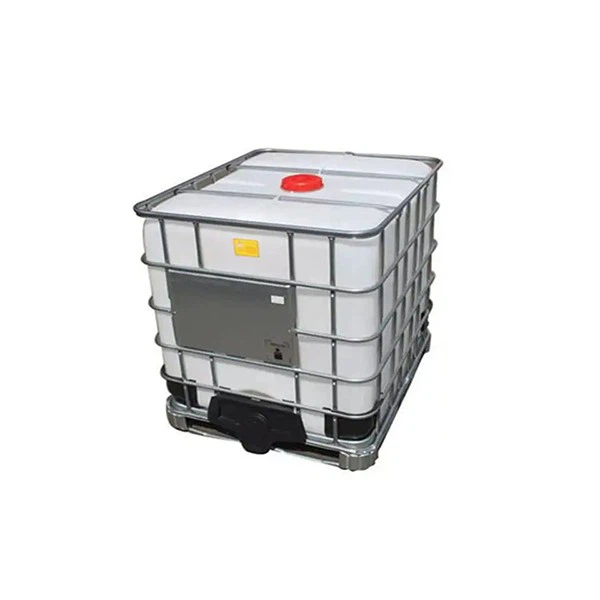
During the storage and handling of maleic anhydride, proper precautions must be taken to prevent corrosion. Storage containers should be made of materials that are resistant to corrosion. As mentioned earlier, stainless steel is a common choice for storage tanks, but they need to be properly maintained and inspected regularly.
The storage environment should be dry to minimize hydrolysis. Moisture control is crucial, and the use of desiccants or dehumidifiers in storage areas can help reduce the risk of maleic acid formation. Additionally, the temperature of the storage area should be controlled to prevent excessive heat, which can increase the reaction rate.
When handling maleic anhydride, it is important to use appropriate personal protective equipment (PPE) to prevent skin and eye contact. Gloves made of materials resistant to chemical penetration, such as nitrile or neoprene, should be worn. Safety goggles and face shields are also necessary to protect the eyes and face from splashes.
Comparison with Other Chemicals
To better understand the corrosion properties of maleic anhydride, it is useful to compare it with other related chemicals. For instance, Acetonitrile CAS 75 - 05 - 8 is a common organic solvent that is generally less corrosive than maleic anhydride. Acetonitrile is a relatively stable compound that does not hydrolyze to form strong acids like maleic anhydride.
Acrylic Acid CAS 79 - 10 - 7 is another organic acid that is often used in the same industries as maleic anhydride. Acrylic acid is a stronger acid than maleic acid in some aspects, but its reactivity and corrosion behavior can be different. Acrylic acid may have different mechanisms of corrosion on metals and non - metallic materials, and the choice between the two chemicals may depend on the specific application requirements and the need to manage corrosion risks.
Ortho - xylene CAS 95 - 47 - 6 is a hydrocarbon that is non - corrosive under normal conditions. It does not react with metals or non - metallic materials in the same way as maleic anhydride. Comparing these chemicals helps in selecting the most appropriate material for a particular process and understanding the relative risks associated with different substances.
Managing Corrosion Risks
To effectively manage the corrosion risks associated with maleic anhydride, a comprehensive approach is required. This includes:
- Material Selection: Choose materials of construction that are resistant to corrosion by maleic anhydride. This may involve using stainless steel, glass, or certain polymers in equipment and storage containers.
- Environmental Control: Keep the storage and handling environment dry and at a controlled temperature to minimize hydrolysis and reduce the corrosion rate.
- Regular Inspection and Maintenance: Conduct regular inspections of storage tanks, pipelines, and other equipment to detect any signs of corrosion early. Perform maintenance and repairs as needed to prevent further damage.
- Monitoring: Monitor the concentration of maleic acid in solutions, if applicable, and the corrosion rate of materials using techniques such as corrosion coupons or electrochemical sensors.
Conclusion
In conclusion, maleic anhydride has significant corrosion properties due to its reactivity and the formation of maleic acid during hydrolysis. It can corrode metals, polymers, and other materials, which can lead to damage of equipment, loss of product quality, and safety hazards.
As a supplier of maleic anhydride, we are committed to providing our customers with high - quality products and technical support to help them manage the corrosion risks associated with maleic anhydride. We can offer advice on material selection, storage, and handling to ensure the safe and efficient use of our products.
If you are interested in purchasing maleic anhydride or have any questions about its corrosion properties and how to handle it safely, please contact us for further information and to start a procurement discussion.
References
- Smith, J. (2018). Chemical Corrosion Handbook. New York: Chemical Publishing Company.
- Jones, R. (2020). Corrosion of Metals in Organic Chemicals. London: Elsevier.
- ASTM International. (2019). Standard Test Methods for Evaluating the Corrosion Resistance of Materials. West Conshohocken, PA: ASTM International.