


Hey there! I'm a supplier of sulfuric acid, and I've been in this business for quite some time. Sulfuric acid is one of the most important industrial chemicals out there, used in a wide range of applications, from fertilizers to batteries. But with great power comes great responsibility, and there are a bunch of environmental regulations regarding sulfuric acid production that we need to follow.
First off, let's talk about emissions. Sulfuric acid production can release a variety of pollutants into the air, including sulfur dioxide (SO₂), particulate matter, and nitrogen oxides (NOₓ). These emissions can have a significant impact on air quality and human health, so there are strict limits on how much of these pollutants can be released.
In many countries, sulfuric acid plants are required to install pollution control equipment to reduce emissions. For example, scrubbers can be used to remove sulfur dioxide from the exhaust gases. These scrubbers work by spraying a liquid (usually water with some additives) into the gas stream, which reacts with the sulfur dioxide to form a solid or liquid that can be removed.
Another important aspect of environmental regulations is waste management. Sulfuric acid production generates a lot of waste, including spent catalysts, sludges, and contaminated water. These wastes need to be properly managed to prevent them from contaminating the environment.
One common method of waste management is recycling. For example, spent catalysts can often be regenerated and reused, which not only reduces waste but also saves on costs. Contaminated water can be treated to remove pollutants before being discharged or reused in the production process.
In addition to air emissions and waste management, there are also regulations regarding water use. Sulfuric acid production requires a large amount of water, and it's important to use this water efficiently and prevent it from being contaminated.
Many plants are now implementing water conservation measures, such as recycling and reusing water within the plant. This not only helps to reduce water consumption but also reduces the amount of wastewater that needs to be treated and discharged.
Now, let's take a look at some of the specific regulations in different regions. In the United States, the Environmental Protection Agency (EPA) has set strict standards for sulfuric acid production under the Clean Air Act and the Clean Water Act. These standards cover emissions limits, waste management requirements, and water use regulations.
In the European Union, the Integrated Pollution Prevention and Control (IPPC) Directive sets out requirements for sulfuric acid plants to prevent and reduce pollution. The directive requires plants to use the best available techniques (BAT) to minimize their environmental impact.
In Asia, many countries are also implementing their own environmental regulations for sulfuric acid production. For example, China has been cracking down on polluting industries in recent years, and sulfuric acid plants are no exception. Chinese regulations are becoming increasingly strict, and plants need to invest in pollution control equipment and waste management systems to comply.
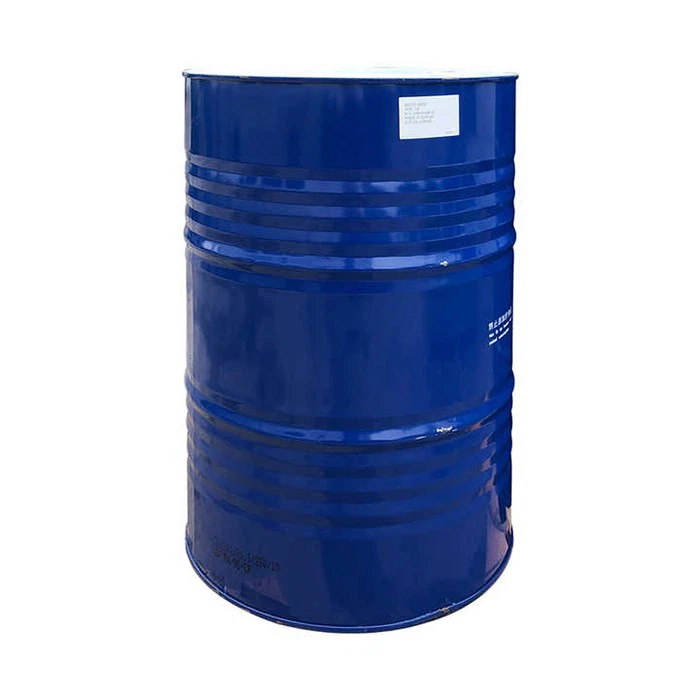
As a sulfuric acid supplier, I understand the importance of complying with these environmental regulations. Not only is it the right thing to do for the environment, but it also helps to ensure the long - term viability of our business. By investing in pollution control and waste management technologies, we can reduce our environmental impact and improve our reputation in the market.
If you're in the market for sulfuric acid, you might also be interested in some of our other products. We also supply Allantoin CAS 97 - 59 - 6, Epichlorohydrin CAS 106 - 89 - 8, and Isobutylene CAS 115 - 11 - 7. These are all important industrial chemicals with a wide range of applications.
If you're interested in learning more about our sulfuric acid or any of our other products, or if you want to discuss a potential purchase, don't hesitate to reach out. We're always happy to have a chat and see how we can meet your needs.
References
- U.S. Environmental Protection Agency. (n.d.). Clean Air Act. Retrieved from https://www.epa.gov/clean-air-act-overview
- European Commission. (n.d.). Integrated Pollution Prevention and Control (IPPC) Directive. Retrieved from https://ec.europa.eu/environment/ippc/index_en.htm
- Various industry reports on sulfuric acid production and environmental regulations.