


Hey there! As a phthalic anhydride supplier, I often get asked about the polymerization products of this versatile chemical. So, let's dive right in and explore what comes out when phthalic anhydride gets involved in polymerization reactions.
First off, what exactly is phthalic anhydride? It's a white, crystalline solid with a characteristic odor. It's widely used in the chemical industry, and its reactivity makes it a key player in many polymerization processes.
One of the most common polymerization products of phthalic anhydride is alkyd resins. These are formed when phthalic anhydride reacts with polyols, such as glycerol. The reaction is a type of condensation polymerization, where water is released as a by - product. Alkyd resins are super useful. They're used in paints and coatings because they offer good adhesion, gloss, and durability. You can find them in everything from automotive paints to household paint cans. The cross - linking structure formed during polymerization gives alkyd resins their great film - forming properties.
Another important product is unsaturated polyester resins. When phthalic anhydride is combined with maleic anhydride and glycols, unsaturated polyester resins are produced. These resins are used in the fiberglass industry. You know those strong, lightweight fiberglass boats or car parts? Well, unsaturated polyester resins play a crucial role in their manufacturing. They are often mixed with STYRENE CAS 100 - 42 - 5, which acts as a reactive diluent and also participates in the cross - linking process. The resulting material is strong and can be molded into various shapes.
Phthalic anhydride also participates in the production of polyester plastics. In the synthesis of polyethylene terephthalate (PET), which is a common polyester, phthalic anhydride derivatives can sometimes be used. PET is everywhere. It's used in beverage bottles, food containers, and even in some synthetic fibers for clothing. The polymerization process involves reacting phthalic anhydride or its related compounds with ethylene glycol to form long - chain polyester molecules.
Let's talk a bit more about the chemistry behind these polymerizations. The carbonyl groups in phthalic anhydride are highly reactive. They can react with the hydroxyl groups in polyols or glycols through an esterification reaction. This reaction starts the chain - building process in polymerization. As more monomers react, the polymer chain grows longer.
In the case of alkyd resins, the reaction between phthalic anhydride and glycerol starts at a relatively low temperature. As the temperature is increased, the reaction progresses further, and the resin becomes more viscous. This is because more cross - links are formed between the polymer chains.
For unsaturated polyester resins, the addition of maleic anhydride introduces double bonds into the polymer chain. These double bonds can react with styrene through a free - radical polymerization mechanism. This reaction is initiated by a catalyst, and it leads to the formation of a three - dimensional cross - linked network.
Now, I want to touch on some of the safety and environmental aspects related to these polymerization reactions. Phthalic anhydride can be an irritant to the skin, eyes, and respiratory tract. So, proper safety measures should be taken during its handling and in the polymerization processes. When it comes to the environmental impact, the disposal of waste polymers needs to be done carefully. For example, some polyester plastics can take a long time to degrade in the environment. However, there's a lot of research going on to develop more sustainable ways to produce and recycle these polymers.
If you're in the chemical manufacturing business and are looking for a reliable phthalic anhydride supplier, you've come to the right place. I can offer high - quality phthalic anhydride that will ensure the smooth operation of your polymerization processes. Whether you're making alkyd resins for paints, unsaturated polyester resins for fiberglass products, or polyester plastics, I've got the right product for you.
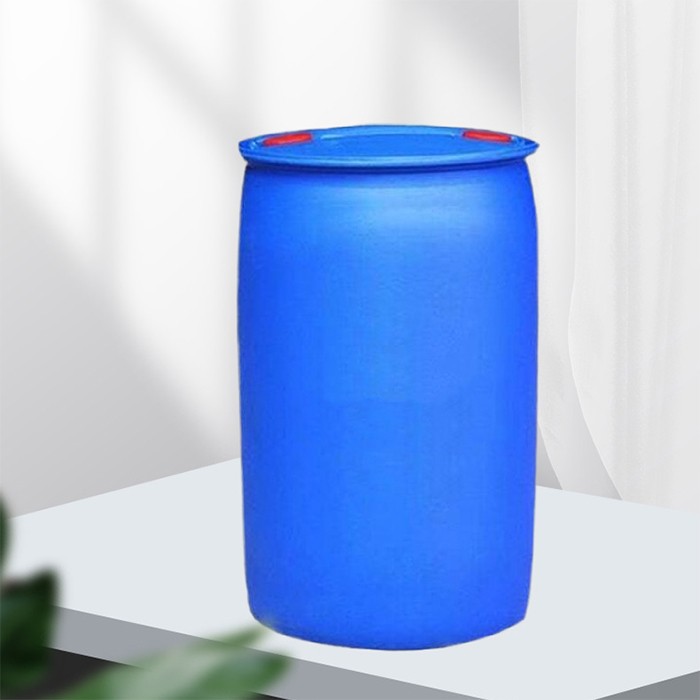
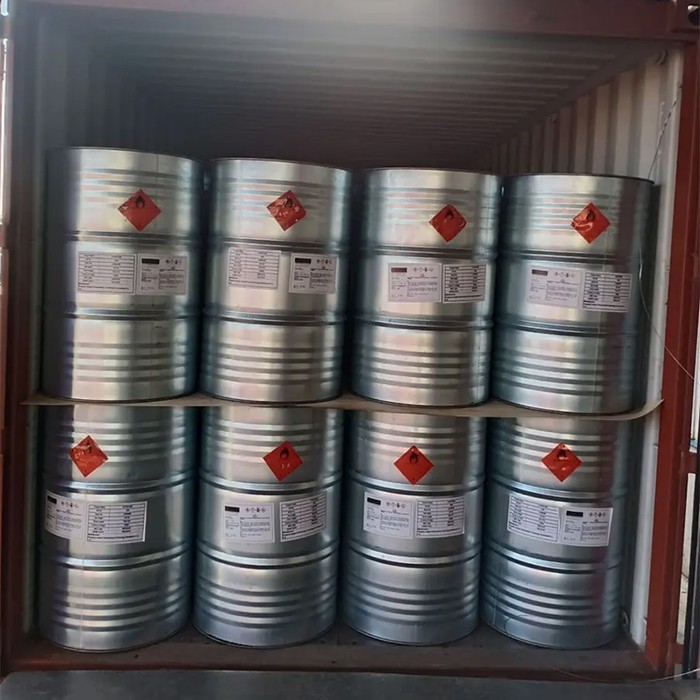
I also want to mention a couple of other chemicals that are often used in combination with phthalic anhydride in polymerization or related processes. 2 - Butanone CAS 78 - 93 - 3 is sometimes used as a solvent in the production of resins. It helps to dissolve the reactants and control the viscosity of the reaction mixture. Benzene CAS 71 - 43 - 2 can be used in the synthesis of some of the starting materials for phthalic anhydride - based polymers. However, it's important to note that benzene is a known carcinogen, and its use is strictly regulated.
If you're interested in starting a partnership or have any questions about phthalic anhydride or its polymerization products, don't hesitate to reach out. I'm here to help you understand the ins and outs of these chemicals and how they can fit into your manufacturing processes.
In conclusion, phthalic anhydride is a fascinating chemical with a wide range of polymerization products. From alkyd resins to polyester plastics, it plays a vital role in the chemical industry. Whether you're a small - scale manufacturer or a large - scale industrial player, I can provide you with the phthalic anhydride you need. So, if you're ready to take your polymerization processes to the next level, let's get in touch and start a great business relationship.
References
- George Odian, "Principles of Polymerization", John Wiley & Sons, Inc.
- Billmeyer, Fred W., "Textbook of Polymer Science", 3rd Edition, John Wiley & Sons, Inc.