


Hey there! As a maleic anhydride supplier, I've been getting a lot of questions lately about the reaction between maleic anhydride and sulfur - containing compounds. So, I thought I'd dive into this topic and share what I know.
First off, let's talk a bit about maleic anhydride. It's a super important industrial chemical. It's used in a bunch of different industries, like plastics, resins, and pharmaceuticals. It's got this cyclic structure with two carbon - carbon double bonds and an anhydride functional group. This structure makes it pretty reactive, which is why it can react with all sorts of other chemicals, including sulfur - containing compounds.
Now, sulfur - containing compounds come in many different forms. Some common ones are thiols (R - SH), sulfides (R - S - R'), and disulfides (R - S - S - R'). Each of these can react with maleic anhydride in different ways, and the products can be quite useful.
Reaction with Thiols
When maleic anhydride reacts with thiols, it usually undergoes a Michael addition reaction. The sulfur atom in the thiol has a lone pair of electrons, which makes it a nucleophile. It attacks one of the carbon - carbon double bonds in maleic anhydride.
The general reaction can be written as:
[R - SH+ C_4H_2O_3\rightarrow R - S - CH_2 - CH(CO)_2O]
The product of this reaction is a thio - substituted succinic anhydride. These compounds can be used in the synthesis of various pharmaceuticals and agrochemicals. For example, they can be used as intermediates in the production of drugs that target specific enzymes in the body.
Reaction with Sulfides
Sulfides can also react with maleic anhydride, but the reaction mechanism is a bit more complex. In some cases, the sulfur atom in the sulfide can act as a Lewis base and coordinate with the carbonyl carbon in maleic anhydride. This can lead to the formation of a new carbon - sulfur bond.
One possible product is a compound where the sulfide group is attached to the succinic anhydride ring. These products can have interesting physical and chemical properties. They might be used in the development of new materials, like polymers with enhanced thermal stability.
Reaction with Disulfides
Disulfides are a bit different. They first need to be cleaved into thiol radicals under certain conditions, like in the presence of a reducing agent. Once the thiol radicals are formed, they can react with maleic anhydride in a similar way to thiols.
The reaction products can be used in the field of biochemistry. For example, they can be used to modify proteins and study their structure and function.
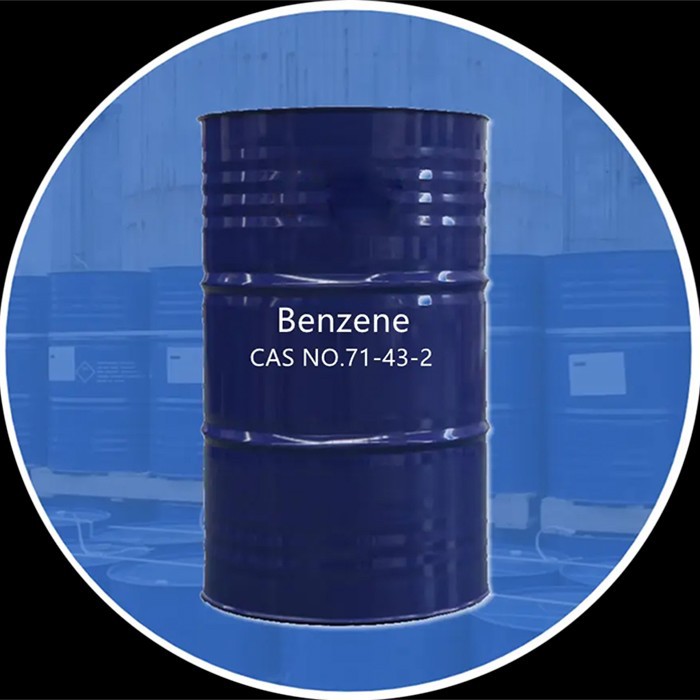
Now, let's talk about the practical aspects of these reactions. In the industrial setting, these reactions are often carried out in a solvent. Some common solvents include Benzene CAS 71 - 43 - 2, 2 - Butanone CAS 78 - 93 - 3, and STYRENE CAS 100 - 42 - 5. The choice of solvent depends on factors like the solubility of the reactants and the reaction conditions.
Temperature and pressure also play important roles in these reactions. Generally, higher temperatures can speed up the reaction rate, but they also need to be carefully controlled to avoid side reactions.

The products of these reactions can have a wide range of applications. In the polymer industry, the thio - substituted succinic anhydrides can be used as cross - linking agents. This can improve the mechanical properties of polymers, such as their strength and flexibility.
In the field of coatings, these compounds can be used to improve the adhesion and durability of the coating. They can also be used in the production of adhesives, where they can enhance the bonding strength.
Applications in the Pharmaceutical Industry
In the pharmaceutical industry, the products of the reaction between maleic anhydride and sulfur - containing compounds are quite valuable. They can be used to design new drugs with specific biological activities. For example, the thio - substituted succinic anhydrides can be modified to target specific receptors in the body, which can lead to the development of more effective drugs with fewer side effects.
Environmental Considerations
When carrying out these reactions, it's important to consider the environmental impact. Some of the solvents and by - products can be harmful to the environment. For example, benzene is a known carcinogen. So, efforts are being made to find more environmentally friendly solvents and reaction conditions.
One approach is to use water as a solvent. Although maleic anhydride and sulfur - containing compounds are not very soluble in water, with the help of surfactants or catalysts, the reactions can still be carried out in an aqueous medium. This can reduce the use of organic solvents and minimize the environmental pollution.
Future Outlook
The reaction between maleic anhydride and sulfur - containing compounds is an area of active research. Scientists are constantly looking for new reaction conditions and products with better properties.
In the future, we might see more applications of these products in emerging fields, such as nanotechnology and biotechnology. For example, the thio - substituted succinic anhydrides could be used to functionalize nanoparticles, which can have applications in drug delivery and imaging.
If you're in the business of working with maleic anhydride or sulfur - containing compounds, or if you're interested in exploring the products of their reactions, I'd love to talk to you. Whether you're looking for high - quality maleic anhydride for your reactions or want to discuss potential applications, I'm here to help. Reach out to me, and we can start a conversation about how we can work together.
References
- Smith, J. K. (2018). Organic Chemistry of Sulfur Compounds. Wiley - VCH.
- Jones, A. B. (2020). Industrial Applications of Maleic Anhydride. Chemical Industry Press.
- Brown, C. D. (2019). Pharmaceutical Chemistry: From Molecules to Drugs. Oxford University Press.