


As a supplier of hydrofluoric acid, I am frequently asked about the regulations surrounding its use. Hydrofluoric acid is a highly corrosive and dangerous substance, and understanding the regulations is crucial for both the safety of users and compliance with the law. In this blog post, I will delve into the various regulations regarding the use of hydrofluoric acid, providing insights based on my extensive experience in this industry.
Classification and Hazardous Nature
Hydrofluoric acid (CAS 7664-39-3) is a solution of hydrogen fluoride in water. It is used in a wide range of industrial applications, including glass etching, metal cleaning, and the production of fluorine-containing compounds. However, it is also extremely hazardous. Hydrofluoric acid can cause severe burns, both on the skin and in the lungs if inhaled. It can also penetrate deep into the body, reacting with calcium in the bones and causing systemic toxicity.
Due to its high toxicity and corrosivity, hydrofluoric acid is classified as a hazardous substance in most countries. In the United States, for example, it is regulated by the Occupational Safety and Health Administration (OSHA) under the Hazard Communication Standard (HCS). The HCS requires employers to provide information about the hazards of chemicals, including hydrofluoric acid, to their employees. This includes labeling of containers, safety data sheets (SDS), and employee training.
Storage and Handling Regulations
One of the key aspects of using hydrofluoric acid safely is proper storage and handling. Regulations typically require that hydrofluoric acid be stored in a dedicated, well - ventilated area away from incompatible substances. Incompatible substances include strong bases, oxidizing agents, and metals such as aluminum, magnesium, and zinc, as hydrofluoric acid can react violently with these materials.
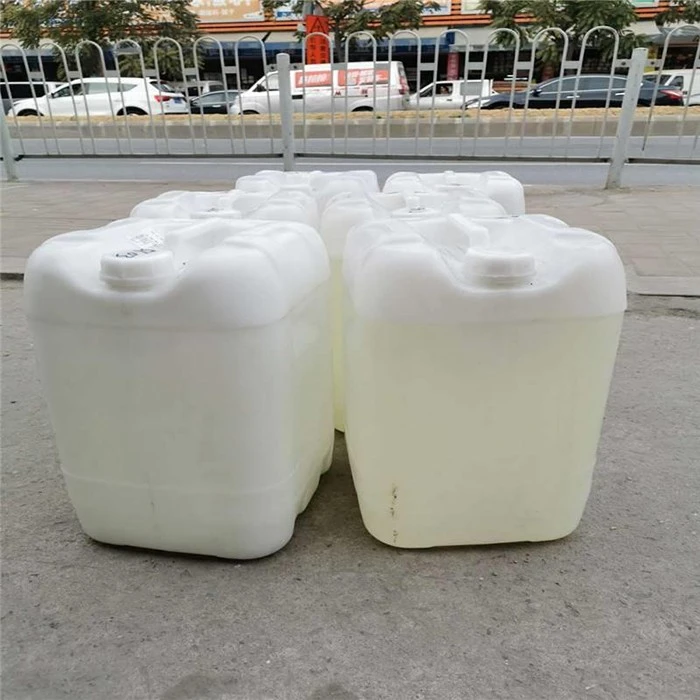
Containers for storing hydrofluoric acid must be made of suitable materials. Plastic containers, such as those made of polyethylene or polypropylene, are commonly used because they are resistant to the corrosive effects of the acid. Glass containers are generally not suitable, as hydrofluoric acid can etch glass.
When handling hydrofluoric acid, workers must wear appropriate personal protective equipment (PPE). This includes acid - resistant gloves, goggles, face shields, and aprons. In addition, safety showers and eyewash stations must be readily available in areas where hydrofluoric acid is used or stored. These safety measures are not only important for the safety of workers but are also required by many regulatory bodies.
Transportation Regulations
Transporting hydrofluoric acid is another area that is strictly regulated. The transportation of hazardous materials, including hydrofluoric acid, is governed by international and national regulations. In the United States, the Department of Transportation (DOT) regulates the transportation of hydrofluoric acid.
Containers used for transporting hydrofluoric acid must meet specific standards. They must be labeled with the appropriate hazard warnings, including the UN number (UN 1790 for anhydrous hydrogen fluoride and UN 1791 for hydrofluoric acid solutions). In addition, carriers must have the necessary permits and comply with all transportation safety requirements, such as proper loading and unloading procedures and emergency response plans.
Waste Management Regulations
Proper waste management is essential when dealing with hydrofluoric acid. Waste containing hydrofluoric acid cannot be disposed of in the regular trash or sewer system. Instead, it must be treated and disposed of in accordance with environmental regulations.
Many countries have regulations regarding the treatment of hydrofluoric acid waste. Typically, the waste must be neutralized to reduce its acidity before disposal. This can be done by adding a suitable base, such as calcium hydroxide or sodium hydroxide. After neutralization, the waste may need to be further treated to remove any remaining fluoride ions before it can be safely disposed of in a permitted landfill or wastewater treatment facility.
Regulatory Compliance for Suppliers
As a hydrofluoric acid supplier, I am responsible for ensuring that our products are compliant with all relevant regulations. This includes providing accurate and up - to - date safety data sheets (SDS) for our products. The SDS contains information about the hazards of the product, safe handling procedures, first - aid measures, and environmental impact.
We also work closely with our customers to ensure that they are aware of the regulations regarding the use of hydrofluoric acid. This may involve providing training on proper handling and storage, as well as answering any questions they may have about compliance.
Related Chemicals and Their Regulations
In addition to hydrofluoric acid, there are other related chemicals that are also subject to regulations. For example, Tetrahydrofuran CAS 109-99-9 is a flammable and potentially hazardous chemical. It is used in various industrial processes, including as a solvent. Regulations for tetrahydrofuran focus on fire safety, proper storage, and handling to prevent exposure to workers.
Another related chemical is Lithium Hydroxide CAS 1310-66-3, which is used in the production of lithium - ion batteries and other applications. Lithium hydroxide is a strong base and can cause skin and eye irritation. Regulations for its use include proper PPE requirements and safe storage to prevent reactions with other substances.

Importance of Regulatory Compliance
Compliance with regulations regarding the use of hydrofluoric acid is not just a legal requirement; it is also essential for the safety of workers, the protection of the environment, and the reputation of businesses. Failure to comply with regulations can result in serious consequences, including fines, legal liability, and damage to the environment.
By following the regulations, businesses can ensure that their employees are protected from the hazards of hydrofluoric acid. This includes providing proper training, PPE, and safety measures in the workplace. In addition, proper handling and disposal of hydrofluoric acid can prevent environmental contamination, such as soil and water pollution.
Contact for Procurement
If you are interested in procuring high - quality hydrofluoric acid or have any questions about its use and regulations, I am here to assist you. Our team of experts can provide detailed information on our products and help you ensure that your operations are compliant with all relevant regulations. Please reach out to us to start the procurement process and discuss your specific requirements.
References
- Occupational Safety and Health Administration (OSHA). Hazard Communication Standard.
- Department of Transportation (DOT). Regulations for the Transportation of Hazardous Materials.
- Environmental Protection Agency (EPA). Regulations for Waste Management of Hazardous Chemicals.