


Acetonitrile, also known as methyl cyanide, is a colorless liquid with a distinct odor. It is a versatile and widely used organic compound in various industries due to its unique chemical properties. As a leading supplier of acetonitrile, I am excited to share with you the numerous applications of this remarkable chemical.
Chemical Synthesis
One of the primary uses of acetonitrile is in chemical synthesis. It serves as a valuable solvent for a wide range of reactions, including substitution, addition, and elimination reactions. Its high polarity and low boiling point make it an ideal medium for reactions that require a polar environment and easy removal of the solvent.
In pharmaceutical synthesis, acetonitrile is commonly used as a reaction solvent for the production of various drugs. It helps to dissolve reactants, facilitate chemical reactions, and improve the yield and purity of the final products. For example, it is used in the synthesis of antibiotics, anti - depressants, and anti - cancer drugs.
In the field of organic chemistry research, acetonitrile is a popular choice for conducting reactions such as the synthesis of heterocyclic compounds. Heterocyclic compounds are widely used in the development of new materials, agrochemicals, and pharmaceuticals. The unique solubility properties of acetonitrile allow for the efficient formation of these complex molecules.
Chromatography
Acetonitrile is an essential component in chromatography techniques, which are widely used for the separation, identification, and quantification of chemical compounds. High - performance liquid chromatography (HPLC) is one of the most common applications.
In HPLC, acetonitrile is used as a mobile phase solvent. Its low viscosity and good solubility with a wide range of analytes make it suitable for separating different types of compounds, including small molecules, peptides, and proteins. The ability to adjust the ratio of acetonitrile to water in the mobile phase allows for fine - tuning of the separation process, enabling the accurate analysis of complex mixtures.
Gas chromatography (GC) also utilizes acetonitrile in some cases. Although GC typically uses non - polar solvents, in certain specialized applications where polar analytes need to be separated, acetonitrile can be used as a modifier or in sample preparation steps to improve the separation efficiency.
Electrochemistry
Acetonitrile plays a crucial role in electrochemistry. It is a common solvent for electrochemical cells because of its high dielectric constant, which allows for good ion mobility and conductivity. In battery research, acetonitrile is used as an electrolyte solvent in some types of batteries, such as lithium - ion batteries.
In electroplating processes, acetonitrile can be used as a component of the plating bath. It helps to improve the uniformity and adhesion of the metal coating on the substrate. Additionally, in electrochemical sensors, acetonitrile is used as a solvent to dissolve the sensing molecules and facilitate the electrochemical reactions that enable the detection of specific analytes.
Extraction and Purification
Acetonitrile is an effective solvent for extraction and purification processes. It can be used to extract organic compounds from natural sources, such as plants and microorganisms. For example, in the extraction of bioactive compounds from herbal medicines, acetonitrile can selectively dissolve the target compounds while leaving behind unwanted impurities.
In the purification of chemicals, acetonitrile can be used in recrystallization processes. By dissolving the crude product in acetonitrile and then allowing it to recrystallize, pure crystals of the desired compound can be obtained. This method is often used in the purification of pharmaceutical intermediates and fine chemicals.
Other Applications
In the field of electronics, acetonitrile is used in the manufacturing of semiconductors. It can be used as a cleaning agent to remove organic contaminants from semiconductor wafers, ensuring the high - quality production of electronic components.
In the textile industry, acetonitrile is used as a solvent for dyeing and printing processes. It helps to dissolve dyes and improve their penetration into the fabric, resulting in more vibrant and long - lasting colors.

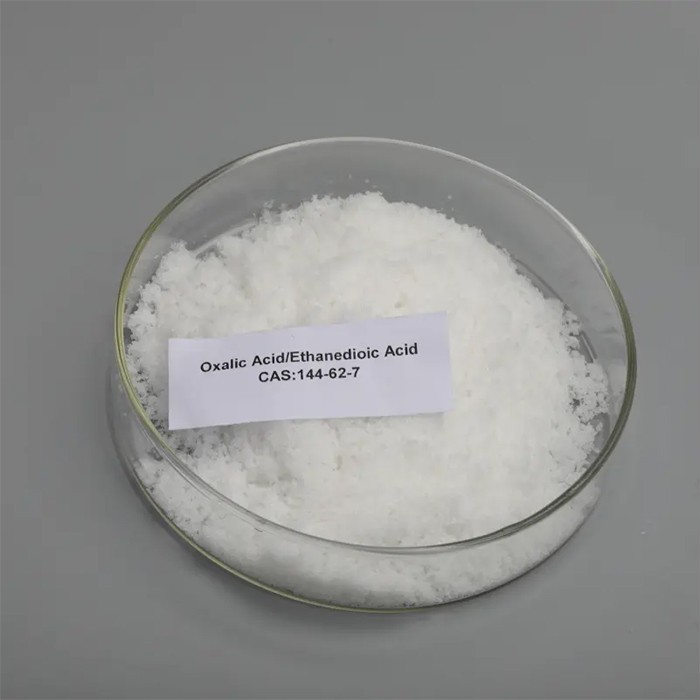
Acetonitrile also finds applications in the production of CYCLOHEXANONE CAS 108 - 94 - 1, Sodium Hydroxide CAS 1310 - 73 - 2, and Phthalic Anhydride CAS 85 - 44 - 9. In these processes, acetonitrile may act as a reaction medium or a co - solvent to enhance the reaction efficiency and product quality.
Conclusion
As demonstrated above, acetonitrile is an incredibly useful chemical with a wide range of applications across multiple industries. Its unique chemical properties, such as high polarity, low boiling point, and good solubility, make it an indispensable component in many chemical processes.
If you are in need of high - quality acetonitrile for your industrial or research applications, we are here to provide you with the best products and services. Our acetonitrile is produced with strict quality control measures to ensure its purity and consistency. We understand the diverse needs of our customers and are committed to meeting your specific requirements.
Whether you are involved in pharmaceutical synthesis, chromatography analysis, electrochemistry research, or any other field that requires acetonitrile, we invite you to contact us for a detailed discussion about your procurement needs. We are ready to work with you to find the most suitable solutions for your business.
References
- Vogel, A. I. (1989). Vogel's Textbook of Practical Organic Chemistry. Longman Scientific & Technical.
- Snyder, L. R., Kirkland, J. J., & Glajch, J. L. (1997). Practical HPLC Method Development. Wiley - Interscience.
- Bard, A. J., & Faulkner, L. R. (2001). Electrochemical Methods: Fundamentals and Applications. Wiley.