


Yo, what's up everyone! I'm an inorganics supplier, and today I wanna chat about the uses of inorganics in the cement industry. It's a topic that might not sound super exciting at first, but trust me, it's pretty cool once you dig into it.
Let's start by understanding a bit about cement. Cement is like the glue that holds the construction world together. It's used to make concrete, mortar, and a bunch of other building materials. And inorganics play a huge role in making cement work the way it should.
One of the key areas where inorganics are used is in the raw materials for cement production. Limestone is a major component, and it's an inorganic compound. When limestone is heated in a kiln, it breaks down into calcium oxide (quicklime) and carbon dioxide. This calcium oxide is then combined with other materials to form cement clinker.
Another important inorganic material is clay. Clay contains various minerals like silica, alumina, and iron oxide. These minerals react with the calcium oxide from the limestone during the cement - making process. The silica helps in the formation of calcium silicates, which are the main strength - giving components of cement. Alumina and iron oxide act as fluxing agents, which lower the melting point of the raw materials in the kiln, making the production process more energy - efficient.
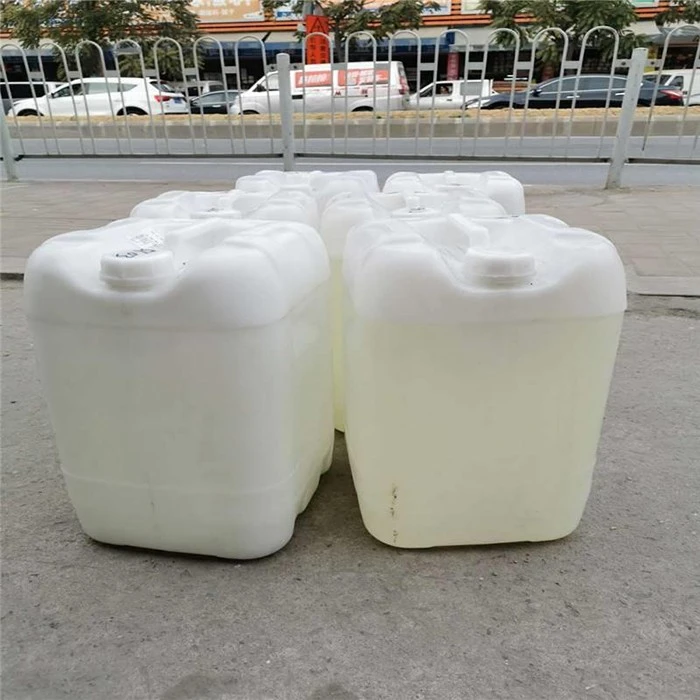

Now, let's talk about some specific inorganics that we supply and their uses in the cement industry.
Chromic Chloride Hexahydrate CAS 10060 - 12 - 5
Chromic Chloride Hexahydrate can be used as an additive in cement. It can improve the setting time and strength of cement. By adjusting the amount of this compound, we can control how quickly the cement sets. This is super important in construction projects where different setting times are required depending on the weather conditions and the type of work being done. For example, in hot weather, a slower - setting cement might be needed to allow enough time for workers to place and finish the concrete. You can find more about Chromic Chloride Hexahydrate CAS 10060 - 12 - 5 on our website.
Methyl Acrylate CAS 96 - 33 - 3
Methyl Acrylate can be used in cement - based coatings. These coatings are applied to the surface of concrete structures to protect them from environmental factors like water, chemicals, and abrasion. Methyl Acrylate helps in forming a durable and flexible film on the concrete surface. It can also improve the adhesion of the coating to the concrete, ensuring that the protection lasts for a long time. If you're interested in Methyl Acrylate CAS 96 - 33 - 3, check out our website for more details.
Hydrofluoric Acid CAS 7664 - 39 - 3
Hydrofluoric Acid is used in some cases for surface treatment of cement products. It can etch the surface of concrete, which is useful for creating a rough surface for better adhesion of coatings or for decorative purposes. However, it's a very dangerous chemical, so proper safety measures must be taken when using it. You can learn more about Hydrofluoric Acid CAS 7664 - 39 - 3 on our site.
In addition to these, there are other inorganics like gypsum. Gypsum is added to cement clinker during the final grinding stage. It helps to control the setting time of cement. Without gypsum, cement would set too quickly, making it difficult to work with. It also improves the workability and strength of the cement over time.
Another group of inorganics are the alkali metals and alkaline earth metals. For example, sodium and potassium compounds can affect the reactivity of cement. They can either accelerate or retard the setting process depending on their concentration. Calcium compounds, as we've already mentioned, are the main building blocks of cement.
The use of inorganics in the cement industry also has an impact on the environmental performance of cement. For instance, some inorganics can be used to reduce the carbon footprint of cement production. By using certain additives, we can lower the amount of energy required in the kiln, which in turn reduces the emissions of greenhouse gases.
Now, if you're in the cement industry and you're looking for high - quality inorganics, we've got you covered. We supply a wide range of inorganics that are essential for cement production and related applications. Whether you need to adjust the setting time of your cement, improve its strength, or protect your concrete structures, we have the right products for you.
If you're interested in discussing your specific requirements or want to get a quote, don't hesitate to reach out. We're always happy to have a chat and help you find the best inorganics solutions for your projects.
In conclusion, inorganics are the unsung heroes of the cement industry. They play a vital role in every step of the cement - making process and in enhancing the performance of cement products. So, if you're involved in the cement business, make sure you're using the right inorganics to get the best results.
References
- Neville, A. M. (2011). Properties of Concrete. Pearson Education.
- Mehta, P. K., & Monteiro, P. J. M. (2014). Concrete: Microstructure, Properties, and Materials. McGraw - Hill Education.