


Toluene, a widely used organic solvent, is an essential chemical in various industries. As a toluene supplier, I understand the importance of safety when handling this chemical. Toluene exposure can occur through inhalation, skin contact, or ingestion, and it's crucial to know the appropriate first - aid measures to minimize potential harm.
Inhalation Exposure
Inhalation is one of the most common ways of toluene exposure. When a person inhales toluene vapors, they may experience symptoms such as headache, dizziness, nausea, and in severe cases, loss of consciousness.
The first step in case of inhalation exposure is to immediately remove the affected person from the contaminated area to fresh air. Ensure that the area is well - ventilated to prevent further inhalation of toluene vapors. Loosen any tight clothing around the neck, chest, or waist to help the person breathe more easily.
If the person is not breathing, start cardiopulmonary resuscitation (CPR) immediately if you are trained to do so. Otherwise, call for emergency medical services right away. If the person is breathing but having difficulty, provide oxygen if available. Keep the person calm and at rest, as excitement or physical exertion can increase the demand for oxygen and exacerbate the symptoms.
Monitor the person's vital signs, including breathing, pulse, and level of consciousness, until medical help arrives. It's important to note that toluene inhalation can cause long - term damage to the nervous system, so even if the initial symptoms seem mild, medical evaluation is necessary.
Skin Exposure
Toluene can cause irritation and chemical burns when it comes into contact with the skin. If a person's skin is exposed to toluene, the first thing to do is to remove any contaminated clothing and jewelry immediately. This helps prevent further absorption of toluene through the skin.
Rinse the affected skin area with plenty of running water for at least 15 - 20 minutes. Use mild soap to clean the area gently, but avoid scrubbing too hard as it may damage the skin further. Pay special attention to areas such as folds of the skin, under the nails, and between the fingers and toes.
After rinsing, cover the affected area with a clean, dry dressing to protect it from infection. If the skin shows signs of severe irritation, blistering, or chemical burns, seek medical attention promptly. Do not apply any creams, ointments, or home remedies without consulting a medical professional, as they may interfere with proper treatment.
Eye Exposure
Eye exposure to toluene can cause severe pain, redness, tearing, and blurred vision. In case of eye contact, immediately flush the eyes with gently running water for at least 15 - 20 minutes. Hold the eyelids open to ensure thorough rinsing of the entire eye surface, including under the eyelids.
Use a clean container or an eyewash station if available. If possible, have the person tilt their head slightly to the side so that the water runs from the inner corner of the eye towards the outer corner, preventing the contaminated water from flowing into the other eye.
After flushing, cover the eyes with a clean, dry cloth and seek immediate medical attention. Do not rub the eyes, as this can cause further damage to the delicate eye tissues.
Ingestion
Ingestion of toluene is a serious situation that requires immediate medical attention. If a person has swallowed toluene, do not induce vomiting unless specifically instructed to do so by a medical professional. Toluene can cause aspiration pneumonia if vomited, which can be life - threatening.
Give the person a small amount of water to drink to dilute the toluene in the stomach, but do not force them to drink if they are unconscious or having difficulty swallowing. Call emergency medical services right away and provide them with as much information as possible, such as the amount of toluene ingested and the time of ingestion.
Preventive Measures
As a toluene supplier, I also emphasize the importance of preventive measures to avoid toluene exposure in the first place. Employers should provide appropriate personal protective equipment (PPE) such as respirators, gloves, goggles, and protective clothing to workers who handle toluene. Work areas should be well - ventilated, and proper storage and handling procedures should be in place.
Regular training on the safe use of toluene and emergency response procedures should be provided to all employees. This includes training on how to recognize the signs of toluene exposure and how to administer first - aid measures correctly.
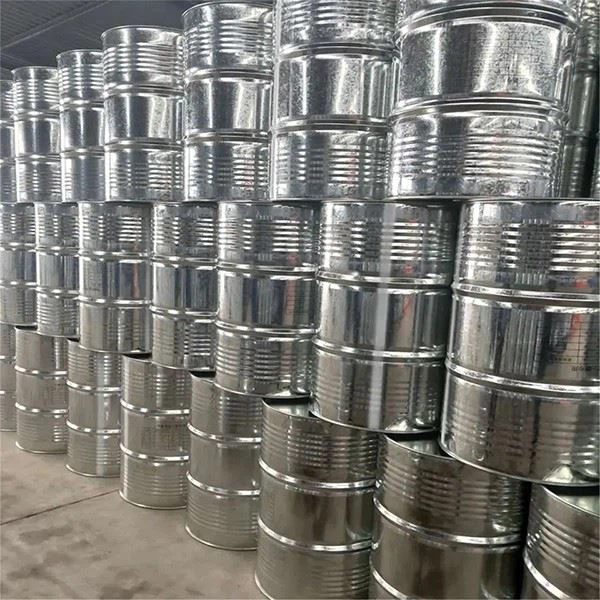

Related Chemicals and Their Links
In addition to toluene, there are other related chemicals in the organic chemicals market. For example, Ortho - xylene CAS 95 - 47 - 6 is another important aromatic hydrocarbon used in the production of various chemicals. Phthalic Anhydride CAS 85 - 44 - 9 is widely used in the manufacturing of plastics and resins. And Acrylic Acid CAS 79 - 10 - 7 is a key raw material in the production of acrylic polymers.
Conclusion
Understanding the appropriate first - aid measures for toluene exposure is crucial for the safety of everyone who works with or around this chemical. By following the steps outlined above, we can minimize the potential harm caused by toluene exposure and ensure a safer working environment.
As a reliable toluene supplier, I am committed to providing high - quality toluene products and sharing safety knowledge with our customers. If you are interested in purchasing toluene or other related chemicals, I encourage you to reach out for a detailed discussion on your specific requirements. We can work together to ensure that you get the best products while maintaining the highest safety standards.
References
- "Toluene: Toxicological Overview" by Agency for Toxic Substances and Disease Registry (ATSDR)
- "Occupational Safety and Health Guidelines for Chemical Hazards" by the National Institute for Occupational Safety and Health (NIOSH)
- "First - Aid Manual for Chemical Exposures" by the American Red Cross