


Hey there! As a hydrochloric acid supplier, I often get asked about the reaction mechanism of hydrochloric acid with carbonates. It's a super interesting topic that has a lot of practical applications in various industries. So, let's dive right in and explore how this reaction works.
First off, let's talk a bit about hydrochloric acid. Hydrochloric acid, with the Hydrochloric Acid CAS 7647-01-0, is a strong, highly corrosive acid. It's widely used in many industrial processes, from metal pickling to food processing. On the other hand, carbonates are a group of compounds that contain the carbonate ion (CO₃²⁻). Common examples of carbonates include calcium carbonate (CaCO₃), which is found in limestone and marble, and sodium carbonate (Na₂CO₃), also known as soda ash.
The reaction between hydrochloric acid and carbonates is a classic example of an acid - base reaction. When hydrochloric acid (HCl) comes into contact with a carbonate, a series of chemical changes take place. Let's break down the reaction mechanism step by step.
Step 1: Protonation of the Carbonate Ion
The first step in the reaction is the protonation of the carbonate ion. Hydrochloric acid is a strong acid, which means it readily dissociates in water to release hydrogen ions (H⁺). The carbonate ion (CO₃²⁻) is a base, and it can accept a proton from the hydrochloric acid.
The chemical equation for this step can be written as:
CO₃²⁻ + H⁺ → HCO₃⁻
In this reaction, the carbonate ion (CO₃²⁻) gains a proton (H⁺) to form the bicarbonate ion (HCO₃⁻). This is an important intermediate step in the overall reaction.
Step 2: Further Protonation of the Bicarbonate Ion
Once the bicarbonate ion (HCO₃⁻) is formed, it can react with another hydrogen ion from the hydrochloric acid. The bicarbonate ion is also a base and can accept a proton to form carbonic acid (H₂CO₃).
The chemical equation for this step is:
HCO₃⁻ + H⁺ → H₂CO₃
At this point, we have formed carbonic acid, which is a relatively unstable compound.
Step 3: Decomposition of Carbonic Acid
Carbonic acid (H₂CO₃) is unstable and readily decomposes into water (H₂O) and carbon dioxide (CO₂). This decomposition reaction is driven by the fact that carbon dioxide is a gas, and it escapes from the reaction mixture, which helps to drive the overall reaction forward.
The chemical equation for the decomposition of carbonic acid is:
H₂CO₃ → H₂O + CO₂↑
The upward arrow (↑) indicates that carbon dioxide is released as a gas.
Overall Reaction
Combining all the steps together, the overall reaction between hydrochloric acid and a carbonate can be represented by the following chemical equation. For example, when hydrochloric acid reacts with calcium carbonate (CaCO₃):
CaCO₃ + 2HCl → CaCl₂ + H₂O + CO₂↑
In this reaction, calcium carbonate reacts with hydrochloric acid to form calcium chloride (CaCl₂), water, and carbon dioxide. The calcium chloride is a soluble salt that remains in the solution.
Practical Applications
This reaction has many practical applications. In the industrial world, it's used in the production of carbon dioxide gas, which is used in various processes such as carbonation of beverages, fire extinguishers, and in the food industry for freezing and chilling.
In the laboratory, this reaction is often used to test for the presence of carbonates. If you add hydrochloric acid to a sample and observe the evolution of carbon dioxide gas (you can see bubbles forming), it's a good indication that the sample contains a carbonate.
Real - World Examples
Let's take a look at some real - world examples of this reaction. One common example is the reaction between hydrochloric acid and limestone. Limestone is mainly composed of calcium carbonate (CaCO₃). When hydrochloric acid is applied to limestone, you can see the characteristic fizzing as carbon dioxide is released. This reaction is also used in the construction industry to clean and etch limestone surfaces.
Another example is the use of hydrochloric acid in the treatment of water. Sodium carbonate (Na₂CO₃) is sometimes added to water to adjust its pH. If the water becomes too alkaline, hydrochloric acid can be added to react with the excess carbonate ions and bring the pH back to the desired level.
Other Related Compounds and Their Reactions
While we're on the topic of chemical reactions, it's worth mentioning a couple of other related compounds. Tetrahydrofuran CAS 109-99-9 is a cyclic ether that is often used as a solvent in organic chemistry. It doesn't react directly with hydrochloric acid in the same way as carbonates, but it can participate in other types of reactions, such as acid - catalyzed reactions.
Epichlorohydrin CAS 106-89-8 is an important industrial chemical. It doesn't react with hydrochloric acid in the same acid - base manner as carbonates, but it can undergo other types of chemical reactions, such as ring - opening reactions in the presence of acids.
Importance in Our Business
As a hydrochloric acid supplier, understanding the reaction mechanism between hydrochloric acid and carbonates is crucial. This knowledge helps us to provide better technical support to our customers. For example, if a customer is using hydrochloric acid to clean a surface that contains carbonates, we can offer advice on the appropriate concentration of hydrochloric acid to use and the expected reaction time.
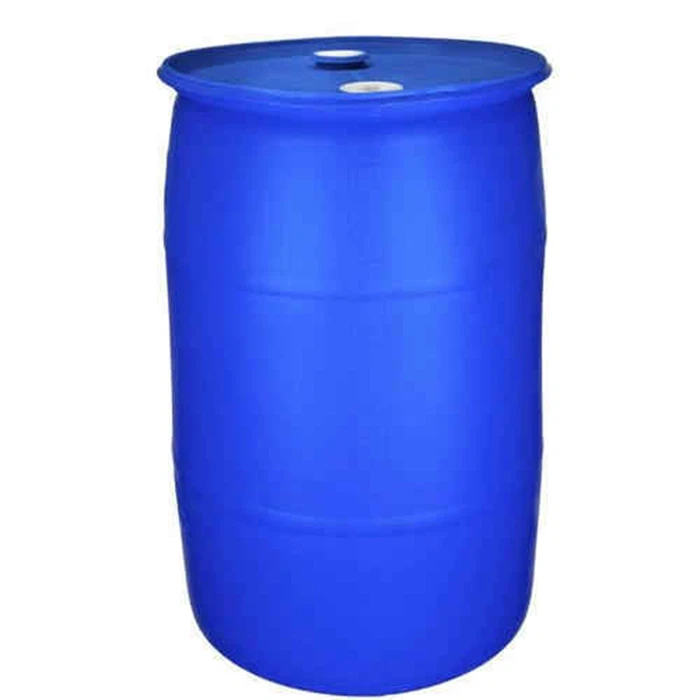
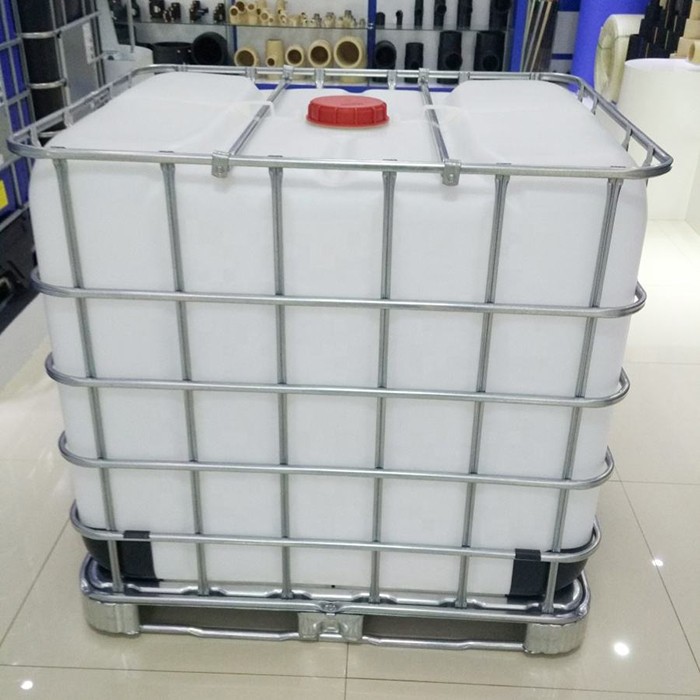
We also need to ensure the safe handling and transportation of hydrochloric acid. Since hydrochloric acid is a strong acid and can react vigorously with carbonates, proper safety precautions must be taken to prevent accidents.
Contact Us for Your Hydrochloric Acid Needs
If you're in the market for high - quality hydrochloric acid for your industrial or laboratory applications, we're here to help. Whether you're working on a project that involves acid - base reactions with carbonates or other chemical processes, we can provide you with the right grade and quantity of hydrochloric acid. We have a team of experts who can offer technical support and answer any questions you may have about the product and its applications. So, don't hesitate to reach out to us for a consultation and to discuss your specific requirements.
References
- Atkins, P., & de Paula, J. (2006). Physical Chemistry. Oxford University Press.
- Brown, T. L., LeMay, H. E., Bursten, B. E., & Murphy, C. J. (2012). Chemistry: The Central Science. Pearson.
- Housecroft, C. E., & Sharpe, A. G. (2008). Inorganic Chemistry. Pearson.