


Hey there! As an acetone supplier, I often get asked about all sorts of technical details regarding acetone. One question that pops up quite a bit is, "What is the ultrasonic velocity in acetone?" Today, I'm gonna break it down for you in a way that's easy to understand.
First off, let's talk a bit about acetone itself. Acetone, with the Acetone CAS 67-64-1, is a widely used organic solvent. It's colorless, volatile, and has a characteristic sweet smell. You can find it in a ton of industries, from pharmaceuticals to nail polish removers. It's super versatile, and that's why it's in high demand.
Now, ultrasonic velocity. Ultrasonic waves are sound waves with frequencies higher than the upper audible limit of human hearing. When these waves travel through a medium like acetone, their velocity depends on a few key factors.
One of the main things that affects ultrasonic velocity in acetone is temperature. As the temperature goes up, the molecules in acetone start moving around more vigorously. This increased molecular motion makes it easier for the ultrasonic waves to propagate through the liquid, so the velocity generally increases with temperature. For example, at room temperature (around 25°C), the ultrasonic velocity in acetone is approximately 1170 meters per second. But if you heat the acetone up to, say, 50°C, the velocity will be higher because the molecules are more energetic and the wave can move through them faster.
Another factor is the purity of the acetone. Impurities in the acetone can scatter the ultrasonic waves. Think of it like trying to walk through a crowded room. If there are a lot of people (impurities) in the way, it's going to slow you down. Similarly, impurities in acetone can disrupt the smooth propagation of the ultrasonic waves, reducing their velocity. That's why we, as acetone suppliers, work hard to provide high - purity acetone to our customers.
The pressure also plays a role. When you increase the pressure on acetone, the molecules get closer together. This denser packing of molecules can make it easier for the ultrasonic waves to transfer energy from one molecule to the next, increasing the ultrasonic velocity. However, the effect of pressure is usually not as significant as that of temperature in most common applications.

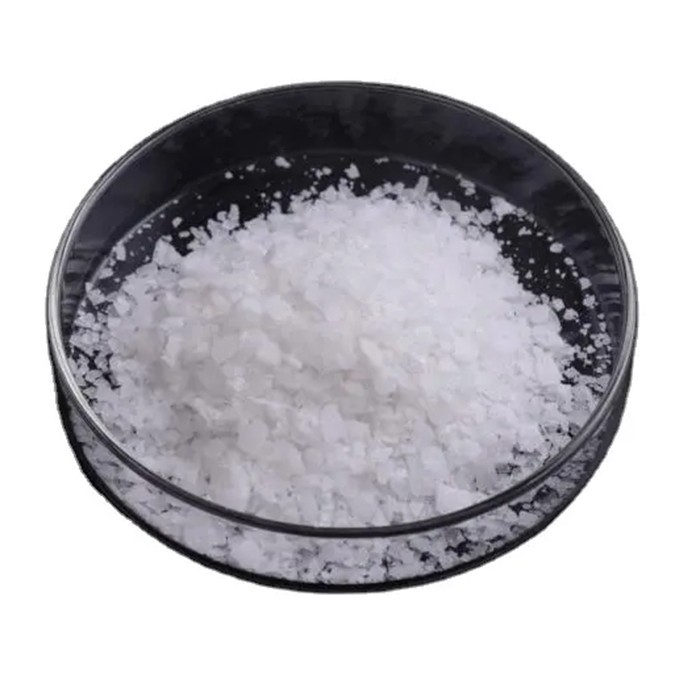
Let's compare acetone with some other chemicals I also deal with, like Phthalic Anhydride CAS 85-44-9 and Phenol CAS 108-95-2. Phthalic anhydride is a solid at room temperature, and ultrasonic waves behave very differently in solids compared to liquids. In a solid, the molecules are more tightly bound, and the ultrasonic velocity is generally much higher than in a liquid like acetone. Phenol, on the other hand, is a liquid at room temperature, but its molecular structure and intermolecular forces are different from those of acetone. So, the ultrasonic velocity in phenol will also be different.
The ultrasonic velocity in acetone is an important parameter in many applications. In the chemical industry, it can be used to monitor the quality and composition of acetone - based mixtures. For example, if you're mixing acetone with another solvent, changes in the ultrasonic velocity can tell you how well the two are mixing and if there are any chemical reactions taking place.
In the field of ultrasonic cleaning, which uses ultrasonic waves to remove dirt and contaminants from objects, understanding the ultrasonic velocity in acetone is crucial. The waves need to travel through the acetone at the right speed to create the cavitation bubbles that do the actual cleaning. If the velocity is off, the cleaning process might not be as effective.
As an acetone supplier, I know that getting the right acetone for your specific application is key. Whether you're using it for a high - tech ultrasonic cleaning process or just as a general solvent in your lab, we've got you covered. Our acetone is carefully tested to ensure high purity and consistent quality, so you can be confident that the ultrasonic velocity and other properties will be reliable.
If you're in the market for acetone or have any questions about its properties, like ultrasonic velocity, don't hesitate to reach out. We're here to help you find the best solution for your needs. Whether you're a small - scale user or a large industrial client, we can work with you to meet your requirements.
In conclusion, the ultrasonic velocity in acetone is influenced by temperature, purity, and pressure. It's an important characteristic that has practical applications in various industries. And as a trusted acetone supplier, we're committed to providing you with the highest - quality acetone so you can get the most out of it. So, if you're looking to purchase acetone or want to learn more, let's start a conversation. We're ready to assist you in making the right choice for your business.
References
- "Physical Properties of Organic Compounds" - A comprehensive handbook on the physical properties of various organic chemicals, including acetone.
- "Ultrasonics in Chemical Engineering" - This book discusses how ultrasonic waves interact with different chemical substances and their applications in the chemical industry.