


Hey there! As a supplier of pharmaceutical intermediates, I often get asked about alternative methods for producing these crucial compounds. Pharmaceutical intermediates are like the building blocks in the pharmaceutical industry. They're used to synthesize active pharmaceutical ingredients (APIs), which are the key components in drugs that actually treat diseases.
So, are there alternative methods for producing these intermediates? The short answer is yes, and in this blog, I'm gonna dive into some of these alternatives, their pros and cons, and how they might impact the pharmaceutical world.
Traditional vs. Alternative Production Methods
First off, let's talk about the traditional methods. Most pharmaceutical intermediates are currently produced through well - established chemical synthesis routes. These methods have been refined over decades and are based on classic organic chemistry reactions. They're reliable, and we know how to scale them up for large - scale production.
But here's the thing: traditional methods can have some drawbacks. They often involve the use of harsh chemicals, generate a lot of waste, and can be energy - intensive. For example, some reactions require high temperatures and pressures, which not only consume a lot of energy but also increase the risk of accidents.
Now, let's explore some alternative methods.
Biocatalysis
Biocatalysis is one of the most promising alternative methods. It uses enzymes or whole cells as catalysts to carry out chemical reactions. Enzymes are like nature's own catalysts. They're highly specific, which means they can selectively react with certain molecules and produce the desired product with high purity.
One of the big advantages of biocatalysis is that it can operate under mild conditions. Enzymes usually work at room temperature and atmospheric pressure, which saves a ton of energy. Plus, they're often more environmentally friendly because they use water as a solvent in many cases and produce less waste.
For instance, some pharmaceutical intermediates can be produced through enzymatic reduction reactions. Instead of using traditional reducing agents that can be toxic and hard to handle, enzymes can achieve the same reduction in a cleaner and safer way.
However, biocatalysis also has its limitations. Enzymes can be expensive to produce and purify. They're also sensitive to changes in temperature, pH, and other environmental factors. This means that the reaction conditions need to be carefully controlled, which can add to the production cost.
Green Chemistry Approaches
Green chemistry is all about designing chemical processes that are more sustainable. It focuses on using renewable raw materials, minimizing waste, and reducing the use of hazardous substances.
One green chemistry approach is the use of ionic liquids as solvents. Ionic liquids are salts that are liquid at room temperature. They have unique properties, such as low volatility and high solubility, which make them suitable for many chemical reactions.
Another aspect of green chemistry is the development of new synthetic routes that use fewer steps. By reducing the number of reaction steps, we can not only save time and resources but also reduce the amount of waste generated.
For example, some researchers are working on developing one - pot reactions, where multiple reactions occur in a single vessel. This eliminates the need for intermediate purification steps, which are often time - consuming and waste - generating.
But implementing green chemistry approaches can be challenging. It requires a lot of research and development to find the right reaction conditions and materials. Plus, there might be a learning curve for the industry to adopt these new methods.
Flow Chemistry
Flow chemistry is a relatively new approach in the production of pharmaceutical intermediates. Instead of carrying out reactions in large batch reactors, flow chemistry uses continuous flow systems. In a flow reactor, the reactants are pumped through a tube or a series of tubes, where the reaction takes place.
One of the main advantages of flow chemistry is that it allows for better control of the reaction conditions. The temperature, pressure, and residence time of the reactants can be precisely adjusted. This can lead to higher yields and better quality products.
Flow chemistry is also safer. Since the reactants are present in small quantities at any given time, the risk of a large - scale explosion or other accidents is reduced.
However, setting up a flow chemistry system can be expensive. It requires specialized equipment and expertise to operate.
Examples of Pharmaceutical Intermediates and Alternative Production
Let's take a look at some specific pharmaceutical intermediates and how alternative methods can be applied.
-
1 - naphthaleneboronic Acid: This intermediate is used in the synthesis of various pharmaceuticals. 1 - naphthaleneboronic Acid can potentially be produced using biocatalysis. Enzymes could be used to introduce the boronic acid group in a more selective and environmentally friendly way compared to traditional chemical methods.
-
N,N' - DI - TERT - BUTYLETHYLENEDIAMINE: This compound is an important intermediate in the pharmaceutical industry. Green chemistry approaches could be applied to its production. For example, using renewable raw materials and designing a more atom - efficient synthetic route could reduce the environmental impact. Check out more about N,N' - DI - TERT - BUTYLETHYLENEDIAMINE on our website.
-
Ethyl Diethoxyacetate: Flow chemistry could be a great option for the production of Ethyl Diethoxyacetate. The precise control of reaction conditions in a flow reactor could lead to higher yields and better quality of this intermediate.
Impact on the Pharmaceutical Industry
The adoption of alternative production methods for pharmaceutical intermediates can have a significant impact on the pharmaceutical industry.
On the positive side, it can make the production process more sustainable. This is not only good for the environment but also for the long - term viability of the industry. As consumers become more environmentally conscious, pharmaceutical companies that adopt sustainable production methods may have a competitive edge.
Alternative methods can also lead to the development of new and better - quality drugs. For example, the high selectivity of biocatalysis can produce intermediates with fewer impurities, which can translate into purer APIs and more effective drugs.
However, there are also challenges. The pharmaceutical industry is highly regulated, and any new production method needs to meet strict quality and safety standards. This means that extensive testing and validation are required before a new method can be adopted on a large scale.
Why Choose Our Pharmaceutical Intermediates
As a supplier of pharmaceutical intermediates, we're committed to exploring and implementing these alternative production methods. We understand the importance of sustainability and quality in the pharmaceutical industry.
Our team of experts is constantly researching and developing new ways to produce our intermediates more efficiently and sustainably. Whether it's through biocatalysis, green chemistry, or flow chemistry, we're always looking for the best methods to meet our customers' needs.
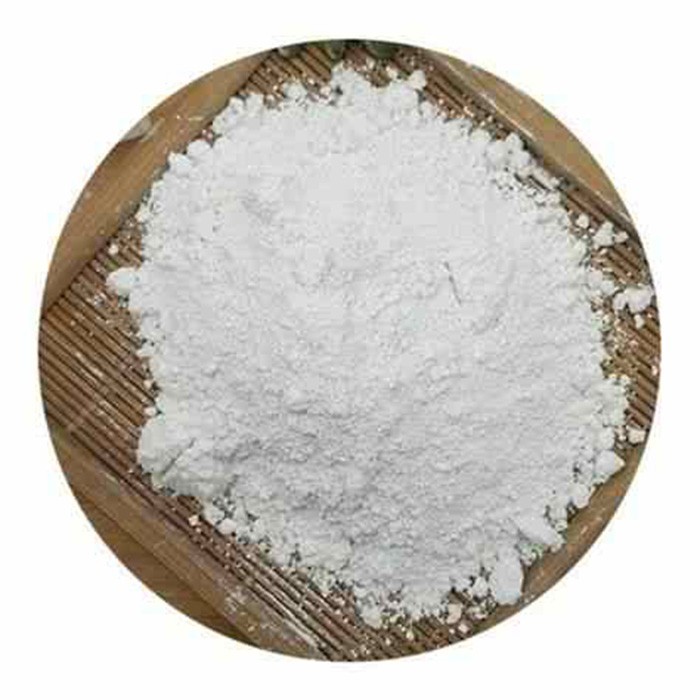

We also offer high - quality products that are rigorously tested to ensure they meet the highest standards. Our pharmaceutical intermediates are used by some of the leading pharmaceutical companies around the world, and we're proud of our reputation for reliability and quality.
Let's Connect for Procurement
If you're in the pharmaceutical industry and looking for high - quality pharmaceutical intermediates, we'd love to hear from you. Whether you have questions about our products, alternative production methods, or just want to discuss your procurement needs, don't hesitate to reach out. We're here to help you find the best solutions for your business.
References
- Anastas, P. T., & Warner, J. C. (1998). Green Chemistry: Theory and Practice. Oxford University Press.
- Schmid, A., Dordick, J. S., Hauer, B., Kiener, A., Wubbolts, M., & Witholt, B. (2001). Industrial biocatalysis today and tomorrow. Nature Biotechnology, 19(11), 1007 - 1010.
- Jensen, K. F. (2011). Microreaction engineering - is small better? Chemical Society Reviews, 40(3), 1866 - 1882.