


Hydrofluoric acid (HF) is a unique and highly reactive chemical compound that has a wide range of industrial applications. As a hydrofluoric acid supplier, I have witnessed firsthand the diverse ways in which this acid interacts with metals. In this blog post, I will delve into the fascinating world of how hydrofluoric acid reacts with metals, exploring the underlying chemical processes, the resulting products, and the practical implications of these reactions.
The Chemistry Behind the Reaction
Hydrofluoric acid is a weak acid in terms of its dissociation in water, but it is extremely reactive due to the high electronegativity of fluorine. When hydrofluoric acid comes into contact with metals, it initiates a series of chemical reactions that can vary depending on the nature of the metal and the reaction conditions.
The general reaction between hydrofluoric acid and metals can be represented by the following equation:
[
nHF + M \rightarrow MF_n + \frac{n}{2}H_2
]
Where (M) represents the metal, (n) is the oxidation state of the metal in the resulting metal fluoride ((MF_n)), and (H_2) is hydrogen gas. This reaction is an example of a single displacement reaction, where the hydrogen in the acid is displaced by the metal, forming a metal fluoride and releasing hydrogen gas.
However, the actual reaction mechanism is more complex and can involve intermediate steps. For example, in the case of metals that form insoluble fluorides, the reaction may be initially limited by the formation of a protective layer of metal fluoride on the surface of the metal. This layer can prevent further reaction by acting as a barrier between the acid and the metal. Over time, however, the layer may dissolve or be disrupted, allowing the reaction to continue.
Reactions with Different Metals
Aluminum
Aluminum is a common metal that reacts vigorously with hydrofluoric acid. The reaction begins with the formation of a thin layer of aluminum fluoride ((AlF_3)) on the surface of the aluminum. This layer is initially protective, but it can be dissolved by excess hydrofluoric acid, exposing the underlying aluminum to further reaction. The overall reaction can be represented by the following equation:
[
6HF + 2Al \rightarrow 2AlF_3 + 3H_2
]
The reaction between aluminum and hydrofluoric acid is highly exothermic and can release a large amount of heat. This can cause the reaction to accelerate, leading to a rapid evolution of hydrogen gas. In some cases, the reaction can even become explosive if the conditions are not carefully controlled.
Iron
Iron reacts with hydrofluoric acid to form iron(II) fluoride ((FeF_2)) and hydrogen gas. The reaction is relatively slow compared to aluminum, but it can still be significant under certain conditions. The overall reaction can be represented by the following equation:
[
2HF + Fe \rightarrow FeF_2 + H_2
]
Iron(II) fluoride is slightly soluble in water, but it can form a protective layer on the surface of the iron, slowing down the reaction. However, if the acid concentration is high or the reaction temperature is elevated, the protective layer may dissolve, allowing the reaction to continue.
Copper
Copper is less reactive than aluminum and iron, but it can still react with hydrofluoric acid under certain conditions. The reaction between copper and hydrofluoric acid is slow and requires the presence of an oxidizing agent, such as oxygen or hydrogen peroxide, to proceed. The overall reaction can be represented by the following equation:
[
4HF + 2Cu + O_2 \rightarrow 2CuF_2 + 2H_2O
]
The reaction between copper and hydrofluoric acid is often used in the electronics industry to etch copper circuits on printed circuit boards. The hydrofluoric acid selectively removes the copper from the areas that are not protected by a resist, leaving behind the desired circuit pattern.
Titanium
Titanium is a highly reactive metal that forms a very stable oxide layer on its surface, which protects it from corrosion. However, hydrofluoric acid can dissolve this oxide layer, allowing the titanium to react with the acid. The reaction between titanium and hydrofluoric acid is complex and can involve the formation of various titanium fluorides, depending on the reaction conditions. The overall reaction can be represented by the following equation:
[
6HF + Ti \rightarrow TiF_6^{2-} + 2H_2 + 2H^+
]
The reaction between titanium and hydrofluoric acid is often used in the aerospace and automotive industries to clean and prepare titanium surfaces for further processing. The hydrofluoric acid can remove the oxide layer and other contaminants from the surface of the titanium, improving its adhesion and corrosion resistance.
Practical Implications of the Reactions
The reactions between hydrofluoric acid and metals have a wide range of practical implications in various industries. Some of the key applications include:
Metal Cleaning and Etching
Hydrofluoric acid is commonly used to clean and etch metals, such as aluminum, copper, and titanium. The acid can remove oxides, rust, and other contaminants from the surface of the metal, leaving behind a clean and smooth surface. This is particularly important in industries such as electronics, aerospace, and automotive, where the quality of the metal surface can have a significant impact on the performance of the final product.
Metal Fluoride Production
The reactions between hydrofluoric acid and metals can be used to produce metal fluorides, which have a wide range of applications in various industries. For example, aluminum fluoride is used as a flux in the aluminum smelting process, while iron fluoride is used as a catalyst in organic synthesis. Metal fluorides can also be used as additives in ceramics, glass, and other materials to improve their properties.
Corrosion Protection
In some cases, the reactions between hydrofluoric acid and metals can be used to protect the metals from corrosion. For example, the formation of a protective layer of metal fluoride on the surface of the metal can prevent further reaction with the acid or other corrosive agents. This is particularly important in industries such as chemical processing, where the metals are often exposed to harsh environments.
Safety Considerations
Hydrofluoric acid is a highly toxic and corrosive substance that can cause severe burns and other health problems if it comes into contact with the skin, eyes, or respiratory system. Therefore, it is important to take appropriate safety precautions when handling hydrofluoric acid.
Some of the key safety considerations include:
- Personal Protective Equipment (PPE): Wear appropriate PPE, such as gloves, goggles, and a lab coat, when handling hydrofluoric acid. The PPE should be made of a material that is resistant to hydrofluoric acid, such as neoprene or butyl rubber.
- Ventilation: Ensure that the area where hydrofluoric acid is being used is well-ventilated to prevent the accumulation of hydrogen gas and other toxic fumes.
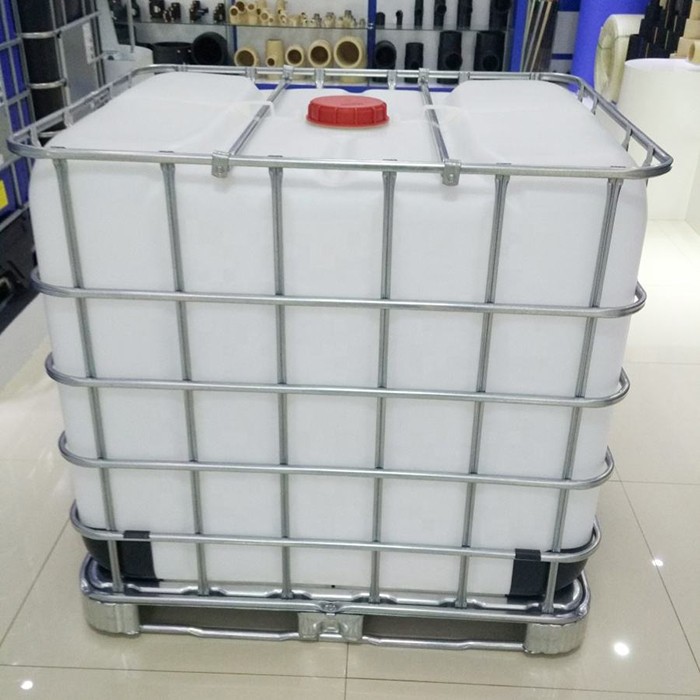
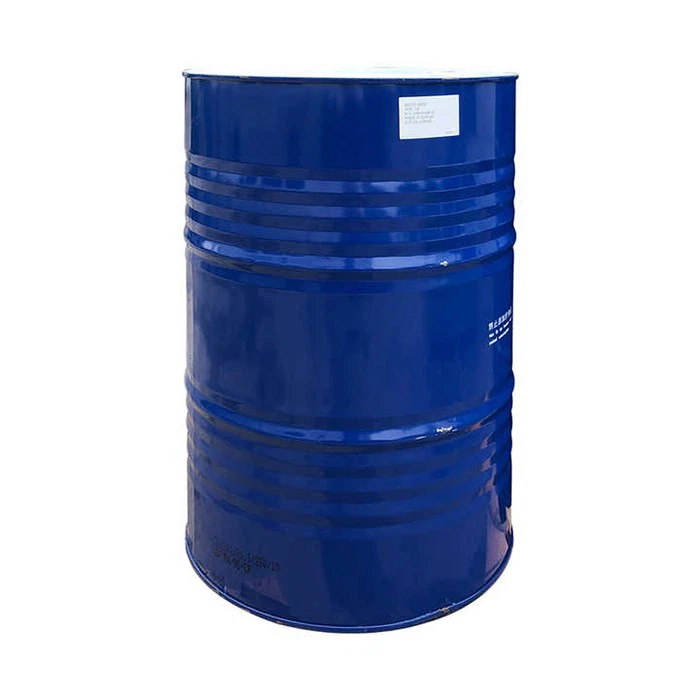
- Storage: Store hydrofluoric acid in a cool, dry place away from heat, flames, and other sources of ignition. The acid should be stored in a container that is made of a material that is resistant to hydrofluoric acid, such as polyethylene or polypropylene.
- Emergency Response: Have an emergency response plan in place in case of a spill or other accident involving hydrofluoric acid. The plan should include procedures for cleaning up spills, treating exposed individuals, and notifying the appropriate authorities.
Conclusion
In conclusion, the reactions between hydrofluoric acid and metals are complex and fascinating chemical processes that have a wide range of practical applications in various industries. As a hydrofluoric acid supplier, I understand the importance of providing high-quality hydrofluoric acid and ensuring that our customers have the knowledge and resources they need to use it safely and effectively.
If you are interested in learning more about hydrofluoric acid or other chemicals, such as Hydrochloric Acid CAS 7647-01-0, Lithium Carbonate CAS 554-13-2, or Epichlorohydrin CAS 106-89-8, please do not hesitate to contact us. We would be happy to discuss your specific needs and provide you with a customized solution.
References
- Atkins, P., & de Paula, J. (2006). Physical Chemistry (8th ed.). Oxford University Press.
- Housecroft, C. E., & Sharpe, A. G. (2008). Inorganic Chemistry (3rd ed.). Pearson Education.
- Masterton, W. L., & Hurley, C. N. (2008). Chemistry: Principles and Reactions (6th ed.). Brooks/Cole.