


Hey there! As a sulfuric acid supplier, I've seen firsthand how this powerful chemical plays a crucial role in the pharmaceutical industry. Sulfuric acid, with its strong acidic properties and high reactivity, is like a secret weapon in drug manufacturing and research. Let's dive into how it's used in this super important field.
Acid - Base Reactions in Drug Synthesis
One of the most common uses of sulfuric acid in the pharmaceutical industry is in acid - base reactions during drug synthesis. Many drugs are organic compounds that need to be synthesized through a series of chemical reactions. Sulfuric acid can act as a catalyst or a reactant in these processes.
For example, when making esters, which are common functional groups in many drugs, sulfuric acid can catalyze the reaction between an alcohol and a carboxylic acid. The acid helps to speed up the reaction by protonating the carbonyl group of the carboxylic acid, making it more reactive towards the alcohol. This is a key step in the synthesis of many painkillers and anti - inflammatory drugs.
Another instance is in the production of amines. Sulfuric acid can be used to convert amides to amines through hydrolysis. This is important because amines are found in a wide range of drugs, from antihistamines to antidepressants.
Purification and Separation
Sulfuric acid also plays a big part in the purification and separation of pharmaceutical compounds. In the manufacturing process, drugs are often synthesized as mixtures of different compounds. Sulfuric acid can be used to selectively precipitate or dissolve certain components, allowing for the separation of the desired drug from impurities.
For example, some metal ions can be removed from a drug solution by adding sulfuric acid. The acid reacts with the metal ions to form insoluble sulfates, which can then be filtered out. This is crucial for ensuring the purity and safety of the final drug product.
In addition, sulfuric acid can be used in chromatography, a technique used to separate and analyze different components in a mixture. It can be used as a mobile phase modifier or to adjust the pH of the stationary phase, improving the separation efficiency.
pH Adjustment
Maintaining the right pH is essential in the pharmaceutical industry. Many drugs are sensitive to pH, and their stability and efficacy can be affected by changes in the acidity or alkalinity of their environment. Sulfuric acid is commonly used to adjust the pH of drug solutions, suspensions, and emulsions.
For example, in the formulation of oral medications, the pH of the solution can affect the solubility and bioavailability of the drug. By adding sulfuric acid, the pH can be adjusted to an optimal level, ensuring that the drug is properly absorbed in the body.
In injectable drugs, pH adjustment is even more critical. A wrong pH can cause irritation at the injection site or even affect the stability of the drug in the body. Sulfuric acid provides a reliable way to fine - tune the pH of these products.
Production of Key Intermediates
Sulfuric acid is also involved in the production of key intermediates used in the synthesis of various drugs. For example, it is used in the production of Sodium Hydrosulfite CAS 7775 - 14 - 6. Sodium hydrosulfite is an important reducing agent in the pharmaceutical industry, used in the synthesis of many drugs, especially those containing sulfur - containing functional groups.
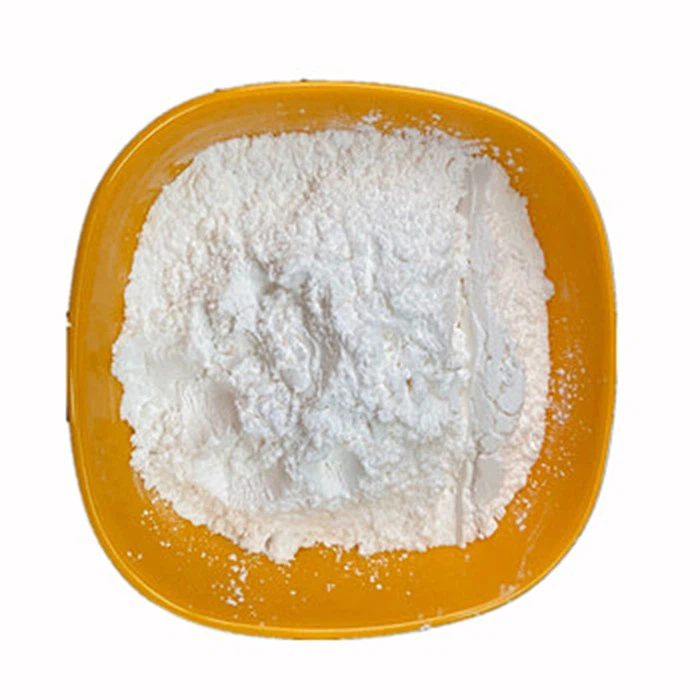

Another example is the production of Allantoin CAS 97 - 59 - 6. Allantoin has various pharmacological properties, such as promoting cell repair and anti - inflammatory effects. Sulfuric acid is used in the synthesis process to facilitate certain chemical reactions and improve the yield of allantoin.
Safety Considerations
While sulfuric acid is incredibly useful in the pharmaceutical industry, it's important to handle it with care. It is a highly corrosive substance that can cause severe burns and damage to the skin, eyes, and respiratory system. Pharmaceutical companies need to follow strict safety protocols when using sulfuric acid, including wearing appropriate protective equipment, storing it in proper containers, and having emergency response plans in place.
Quality Control
As a sulfuric acid supplier, I understand the importance of quality control. In the pharmaceutical industry, even the slightest impurity in sulfuric acid can have a significant impact on the final drug product. That's why we ensure that our sulfuric acid meets the highest quality standards. We use advanced purification techniques to remove any contaminants, and we conduct rigorous testing to guarantee its purity and consistency.
Environmental Impact
The use of sulfuric acid in the pharmaceutical industry also has environmental implications. When sulfuric acid is used in large quantities, proper waste management is essential. The waste acid needs to be neutralized and treated before disposal to prevent environmental pollution.
Many pharmaceutical companies are now adopting more sustainable practices, such as recycling and reusing sulfuric acid. This not only reduces the environmental impact but also helps to cut down on costs.
Conclusion
In conclusion, sulfuric acid is an indispensable chemical in the pharmaceutical industry. From drug synthesis and purification to pH adjustment and the production of key intermediates, it plays a vital role in every step of the drug manufacturing process.
If you're in the pharmaceutical industry and looking for a reliable sulfuric acid supplier, I'd love to have a chat with you. Whether you need a small amount for research or a large - scale supply for production, we've got you covered. Contact us to start a discussion about your specific needs and let's work together to ensure the success of your pharmaceutical projects.
References
- "Organic Chemistry" by Paula Yurkanis Bruice
- "Pharmaceutical Manufacturing Handbook" by S. C. Gad
- "Environmental Chemistry of Sulfuric Acid in Industrial Processes" by various authors in environmental science journals