


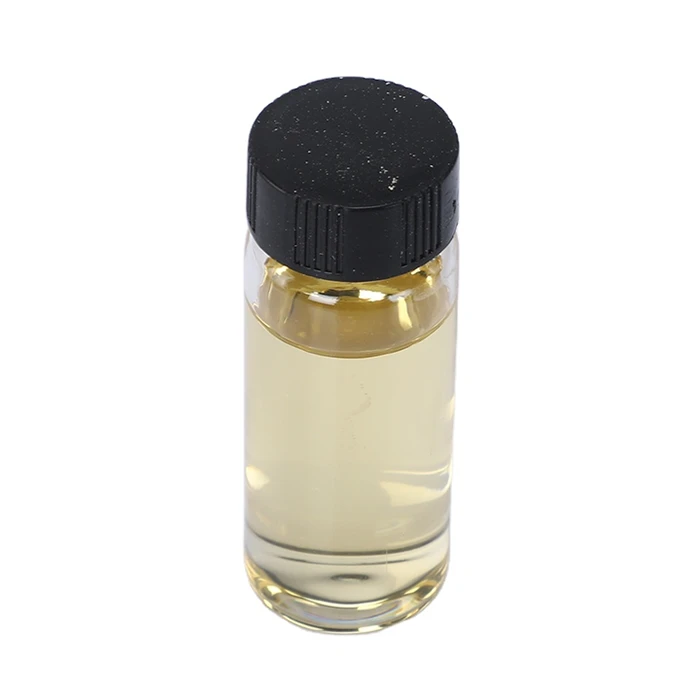
Di-N-hexylamine, a chemical compound with a wide range of industrial applications, is known for its potential to cause corrosion in metals. As a trusted Di-N-hexylamine supplier, I understand the concerns that come with handling this substance and the importance of preventing metal corrosion. In this blog post, I will share some effective strategies to safeguard metals from the corrosive effects of Di-N-hexylamine.
Understanding the Corrosion Mechanism
Before delving into prevention methods, it's crucial to understand how Di-N-hexylamine corrodes metals. Di-N-hexylamine is an organic compound that can react with metals under certain conditions. The corrosion process typically involves the formation of metal complexes or the promotion of electrochemical reactions on the metal surface. Factors such as temperature, humidity, and the presence of other chemicals can accelerate this process.

Surface Coating
One of the most effective ways to prevent Di-N-hexylamine from corroding metals is by applying a protective surface coating. Coatings act as a barrier between the metal and the corrosive agent, preventing direct contact. There are several types of coatings available, each with its own advantages and limitations.
- Epoxy Coatings: Epoxy coatings are widely used for their excellent adhesion and chemical resistance. They can form a tough, durable film on the metal surface, providing long-term protection against Di-N-hexylamine and other corrosive substances. Epoxy coatings are suitable for a variety of metals, including steel, aluminum, and copper.
- Polyurethane Coatings: Polyurethane coatings offer good flexibility and abrasion resistance. They can withstand harsh environmental conditions and provide effective protection against corrosion. Polyurethane coatings are often used in applications where the metal surface is exposed to mechanical stress or wear.
- Zinc Coatings: Zinc coatings, such as galvanizing, are a popular choice for protecting steel from corrosion. Zinc acts as a sacrificial anode, corroding preferentially to the steel and providing cathodic protection. Galvanized steel is commonly used in outdoor applications, such as construction and automotive industries.
Material Selection
Another important aspect of preventing metal corrosion is choosing the right materials. Some metals are more resistant to Di-N-hexylamine corrosion than others. When selecting metals for applications involving Di-N-hexylamine, consider the following factors:
- Stainless Steel: Stainless steel is a corrosion-resistant alloy that contains chromium, nickel, and other elements. It forms a passive oxide layer on the surface, which protects the metal from further corrosion. Stainless steel is available in different grades, each with varying levels of corrosion resistance. For applications where Di-N-hexylamine is present, choose a grade of stainless steel with high chromium and molybdenum content.
- Aluminum: Aluminum is a lightweight metal that has good corrosion resistance. It forms a thin oxide layer on the surface, which provides protection against many corrosive agents. However, aluminum can be susceptible to corrosion in the presence of certain chemicals, such as acids and alkalis. When using aluminum in applications involving Di-N-hexylamine, ensure that the surface is properly protected.
- Copper and Brass: Copper and brass are also relatively resistant to corrosion. They form a protective patina on the surface, which helps to prevent further corrosion. However, copper and brass can be affected by certain chemicals, such as sulfur compounds. When using copper and brass in applications involving Di-N-hexylamine, consider the potential for chemical reactions.
Environmental Control
Controlling the environment in which Di-N-hexylamine is stored and used can also help to prevent metal corrosion. The following environmental factors can have a significant impact on the corrosion rate:
- Temperature and Humidity: High temperatures and humidity can accelerate the corrosion process. To minimize the risk of corrosion, store Di-N-hexylamine in a cool, dry place. Use temperature and humidity control systems in areas where Di-N-hexylamine is handled or stored.
- Ventilation: Proper ventilation is essential to prevent the accumulation of corrosive vapors. Ensure that areas where Di-N-hexylamine is used are well-ventilated. Use exhaust fans or other ventilation systems to remove any fumes or vapors.
- Contamination: Avoid exposing metals to other chemicals or contaminants that can react with Di-N-hexylamine and cause corrosion. Keep storage areas clean and free of debris. Use appropriate storage containers and handling equipment to prevent spills and leaks.
Corrosion Inhibitors
Corrosion inhibitors are chemicals that can be added to Di-N-hexylamine or the metal surface to reduce the corrosion rate. Inhibitors work by forming a protective film on the metal surface or by interfering with the corrosion process. There are several types of corrosion inhibitors available, each with its own mechanism of action.
- Organic Inhibitors: Organic inhibitors are compounds that contain nitrogen, sulfur, or oxygen atoms. They can adsorb onto the metal surface and form a protective film. Organic inhibitors are often used in aqueous solutions or in organic solvents.
- Inorganic Inhibitors: Inorganic inhibitors are compounds that contain metal ions, such as zinc, chromium, or molybdenum. They can form a passive oxide layer on the metal surface, which provides protection against corrosion. Inorganic inhibitors are often used in high-temperature or high-pressure applications.
- Vapor Phase Inhibitors: Vapor phase inhibitors are chemicals that can volatilize and form a protective film on the metal surface. They are often used in enclosed spaces, such as storage containers or shipping containers. Vapor phase inhibitors can provide long-term protection against corrosion.
Regular Inspection and Maintenance
Regular inspection and maintenance are essential to ensure the effectiveness of corrosion prevention measures. Inspect metal surfaces regularly for signs of corrosion, such as rust, pitting, or discoloration. If corrosion is detected, take immediate action to address the problem. This may involve cleaning the metal surface, applying a new coating, or replacing the corroded parts.
Conclusion
Preventing Di-N-hexylamine from corroding metals requires a comprehensive approach that includes surface coating, material selection, environmental control, corrosion inhibitors, and regular inspection and maintenance. By implementing these strategies, you can minimize the risk of metal corrosion and ensure the long-term performance of your equipment and structures.
As a Di-N-hexylamine supplier, I am committed to providing high-quality products and technical support to our customers. If you have any questions or need further information about preventing metal corrosion, please feel free to contact us. We will be happy to assist you in finding the best solutions for your specific needs.
In addition to Di-N-hexylamine, we also supply a wide range of other chemical intermediates, such as 4'-Methylpropiophenone CAS 5337-93-9, Diisopropyl Azodicarboxylate CAS 2446-83-5, and 4,6-dihydroxypyrimidine. Our products are widely used in the pharmaceutical, chemical, and other industries. If you are interested in purchasing any of our products, please contact us for more information. We look forward to establishing a long-term business relationship with you.
References
- Fontana, M. G. (1986). Corrosion Engineering. McGraw-Hill.
- Uhlig, H. H., & Revie, R. W. (2010). Corrosion and Corrosion Control: An Introduction to Corrosion Science and Engineering. Wiley.
- Schweitzer, P. A. (2013). Corrosion Resistance Tables. McGraw-Hill.