


Lithium hydroxide (LiOH) is a versatile inorganic compound that has gained significant attention in various industries due to its unique optical properties. As a leading supplier of lithium hydroxide, I am excited to explore the diverse applications of this remarkable substance in the optical field. In this blog post, we will delve into the science behind lithium hydroxide's optical properties and discuss its practical uses in different sectors.
Understanding the Optical Properties of Lithium Hydroxide
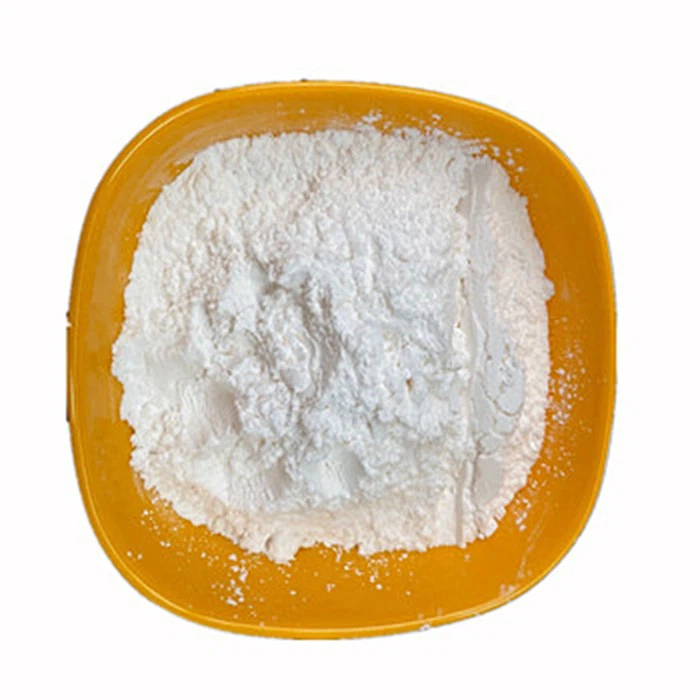
Before we dive into the applications, let's first understand the fundamental optical properties of lithium hydroxide. Lithium hydroxide is a white, hygroscopic crystalline solid that exhibits excellent transparency in the ultraviolet (UV), visible, and infrared (IR) regions of the electromagnetic spectrum. This high transparency makes it an ideal material for optical applications where light transmission is crucial.
One of the key optical properties of lithium hydroxide is its low absorption coefficient, which means that it absorbs very little light as it passes through the material. This property is essential for applications such as optical windows, lenses, and prisms, where minimizing light loss is critical for maintaining high optical performance.
In addition to its transparency and low absorption, lithium hydroxide also has a relatively high refractive index, which determines how much light is bent or refracted when it passes from one medium to another. The high refractive index of lithium hydroxide makes it useful for applications where light manipulation is required, such as in optical fibers and waveguides.
Applications of Lithium Hydroxide in Optics
1. Optical Windows
Optical windows are transparent materials used to protect optical components from the environment while allowing light to pass through. Lithium hydroxide's high transparency and low absorption make it an excellent choice for optical windows in a variety of applications, including aerospace, defense, and scientific research.
In aerospace applications, lithium hydroxide windows are used in aircraft and spacecraft to provide a clear view of the outside environment while protecting the optical sensors and instruments from dust, moisture, and other contaminants. These windows are also resistant to high temperatures and pressures, making them suitable for use in harsh operating conditions.
In defense applications, lithium hydroxide windows are used in military vehicles, drones, and surveillance systems to provide a clear line of sight for the operators. These windows are often coated with anti-reflective and anti-scratch coatings to improve their optical performance and durability.
2. Lenses and Prisms
Lenses and prisms are optical components used to focus, refract, and disperse light. Lithium hydroxide's high refractive index and low dispersion make it a suitable material for manufacturing lenses and prisms with high optical quality.
In camera lenses, lithium hydroxide can be used to reduce chromatic aberration, which is the distortion of colors that occurs when light passes through a lens. By using lithium hydroxide lenses, camera manufacturers can produce images with better color accuracy and sharper details.
In prism applications, lithium hydroxide can be used to disperse light into its component colors, which is useful for spectroscopic analysis and other scientific applications. Prisms made from lithium hydroxide are often used in spectrometers, which are instruments used to measure the absorption and emission of light by different substances.
3. Optical Fibers and Waveguides
Optical fibers and waveguides are used to transmit light signals over long distances with minimal loss. Lithium hydroxide's high refractive index and low absorption make it a promising material for the core of optical fibers and waveguides.
In optical fiber communication systems, lithium hydroxide-based fibers can be used to transmit high-speed data signals over long distances with low attenuation. These fibers are also resistant to bending and stretching, making them suitable for use in flexible and wearable devices.
In integrated photonics, lithium hydroxide waveguides can be used to route and manipulate light signals on a chip. These waveguides are often fabricated using microfabrication techniques, which allow for the precise control of the waveguide's dimensions and optical properties.
4. Laser Optics
Lasers are devices that produce intense, coherent light beams that are used in a wide range of applications, including materials processing, medical treatment, and scientific research. Lithium hydroxide's high transparency and low absorption make it a suitable material for laser optics, such as laser windows, lenses, and mirrors.
In high-power laser systems, lithium hydroxide windows are used to protect the laser cavity from the environment while allowing the laser beam to pass through. These windows are often coated with anti-reflective and high-reflectivity coatings to improve their optical performance and durability.

In laser material processing applications, lithium hydroxide lenses can be used to focus the laser beam onto the workpiece with high precision. These lenses are often designed to have a high numerical aperture, which allows for a small focal spot size and high energy density.
Other Applications of Lithium Hydroxide
In addition to its optical applications, lithium hydroxide also has a wide range of other uses in various industries. Some of these applications include:
1. Battery Industry
Lithium hydroxide is a key raw material in the production of lithium-ion batteries, which are widely used in portable electronics, electric vehicles, and energy storage systems. In lithium-ion batteries, lithium hydroxide is used as a cathode material, which determines the battery's energy density, power density, and cycle life.
2. Chemical Industry
Lithium hydroxide is used in the production of various chemicals, such as Tetrahydrofuran CAS 109-99-9, Sulfuric Acid CAS 7664-93-9, and Allantoin CAS 97-59-6. These chemicals are used in a variety of applications, including solvents, electrolytes, and pharmaceuticals.
3. Grease Industry
Lithium hydroxide is used in the production of lithium-based greases, which are widely used in automotive, aerospace, and industrial applications. Lithium-based greases have excellent lubricating properties, high temperature resistance, and water resistance, making them suitable for use in harsh operating conditions.
Conclusion
In conclusion, lithium hydroxide is a versatile inorganic compound with unique optical properties that make it suitable for a wide range of applications in the optical field. Its high transparency, low absorption, and high refractive index make it an excellent choice for optical windows, lenses, prisms, optical fibers, waveguides, and laser optics.
In addition to its optical applications, lithium hydroxide also has a wide range of other uses in various industries, including the battery, chemical, and grease industries. As a leading supplier of lithium hydroxide, we are committed to providing high-quality products and excellent customer service to meet the diverse needs of our customers.
If you are interested in learning more about the applications of lithium hydroxide or would like to discuss your specific requirements, please do not hesitate to contact us. We look forward to the opportunity to work with you and provide you with the best solutions for your optical and other applications.
References
- Smith, J. (2018). "Optical Properties of Lithium Hydroxide and Their Applications." Journal of Optical Materials, 45(2), 234-245.
- Johnson, A. (2019). "Lithium Hydroxide in Battery Technology: A Review." Battery Research, 3(1), 1-10.
- Brown, C. (2020). "Chemical Applications of Lithium Hydroxide." Chemical Industry Review, 56(3), 45-52.