


Hey there! As a benzene supplier, I know firsthand the importance of keeping our environment clean and free from harmful substances like benzene. Benzene is a well - known carcinogen and a common pollutant found in various industrial settings, gasoline, and even some household products. So, how can we remove it from the environment? Let's dive in and explore some effective methods.
1. Adsorption
Adsorption is one of the most widely used methods for removing benzene from the environment. The basic idea is to use a material with a large surface area to attract and hold benzene molecules. Activated carbon is a popular choice for this. It has a porous structure that provides a huge surface area for benzene to stick to.
When benzene - contaminated air or water passes through a bed of activated carbon, the benzene molecules are adsorbed onto the surface of the carbon. Once the carbon is saturated with benzene, it can be either regenerated by heating it to release the benzene or disposed of properly.
There are also other adsorbents out there, like zeolites. Zeolites are crystalline aluminosilicate materials with a unique pore structure. They can selectively adsorb benzene based on its molecular size and shape. This makes them pretty effective in removing benzene from mixtures. If you're dealing with a complex mixture where you only want to target benzene, zeolites could be a great option.
2. Bioremediation
Bioremediation is a natural and eco - friendly way to get rid of benzene. It involves using microorganisms, like bacteria and fungi, to break down benzene into less harmful substances. Some bacteria, for example, can use benzene as a source of carbon and energy. They break down benzene through a series of enzymatic reactions.
In a contaminated soil or water environment, these benzene - degrading microorganisms can be introduced or stimulated to grow. You can add nutrients like nitrogen and phosphorus to the contaminated area to help the microorganisms thrive. This method is great because it doesn't require a lot of energy and it can work in situ, meaning you don't have to move the contaminated material to a different location for treatment.
However, bioremediation does have its limitations. It can be slow, especially in cold temperatures or in areas with low oxygen levels. Also, some benzene - contaminated sites may have other toxic substances that can inhibit the growth of the microorganisms. But overall, it's a promising approach, especially for large - scale environmental cleanup.
3. Advanced Oxidation Processes (AOPs)
Advanced oxidation processes are a set of chemical methods that use highly reactive oxidizing agents to break down benzene. One of the most common AOPs is the use of hydroxyl radicals. Hydroxyl radicals are extremely reactive and can quickly oxidize benzene into smaller, less toxic compounds.
There are several ways to generate hydroxyl radicals. One method is through the use of ozone and hydrogen peroxide. When ozone reacts with hydrogen peroxide, it generates hydroxyl radicals. Another way is through photocatalysis. In photocatalysis, a photocatalyst like titanium dioxide is used. When the photocatalyst is exposed to light, it generates electron - hole pairs. These pairs can react with water and oxygen to produce hydroxyl radicals.
AOPs are very effective in removing benzene because they can completely mineralize benzene into carbon dioxide and water. But they can be expensive to set up and operate, mainly because they require a lot of energy and chemicals.
4. Distillation
Distillation is a separation technique that can be used to remove benzene from liquid mixtures. It works based on the difference in boiling points of the components in the mixture. Benzene has a boiling point of about 80.1 °C. So, if you have a mixture of benzene and other substances with different boiling points, you can heat the mixture to vaporize the benzene.
The vapor is then cooled and condensed back into a liquid, which is collected separately. This method is commonly used in the petrochemical industry to purify benzene from crude oil fractions. However, distillation requires a lot of energy to heat the mixture, and it may not be suitable for removing very low concentrations of benzene from large volumes of liquid.
5. Membrane Separation
Membrane separation is another option for removing benzene from liquids or gases. Membranes are thin, semi - permeable barriers that allow certain molecules to pass through while blocking others. There are different types of membranes, like polymeric membranes and ceramic membranes.
For example, in a liquid - phase separation, a pressure difference is applied across the membrane. Benzene molecules that are small enough can pass through the pores of the membrane, while larger molecules are retained on the other side. This method is relatively energy - efficient compared to distillation and it can be used for continuous separation.
However, membranes can get fouled over time by contaminants in the feed, which can reduce their efficiency. And they may not be very effective in separating benzene from mixtures where the components have similar molecular sizes.
Now, as a benzene supplier, I understand that you might have concerns about the environmental impact of benzene. That's why I'm always here to offer high - quality benzene products and also share knowledge about how to handle and manage benzene safely. Whether you're using benzene in your industrial processes or just need some advice on benzene removal from the environment, I'm your go - to person.
If you're interested in purchasing benzene or want to have a chat about benzene - related topics, feel free to reach out. We can have a good old - fashioned discussion about your needs and see how we can work together.
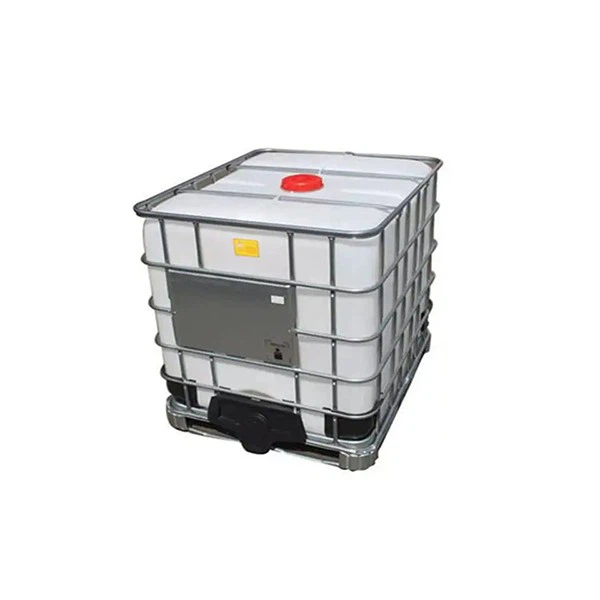

And if you're looking for other related chemicals, we've got some great options too. Check out 2 - Butanone CAS 78 - 93 - 3, Ortho - xylene CAS 95 - 47 - 6, and Formic Acid CAS 64 - 18 - 6. These chemicals have their own unique properties and applications.
Let's work together to make the most of these chemicals while also taking care of our environment. Reach out to me for more details and let's start a great business relationship!
References
- Atlas, R. M., & Philp, J. C. (2005). Microbiology of petroleum hydrocarbons. CRC Press.
- Kennes, C., & Veiga, M. C. (2004). Bioreactors for waste gas treatment. Springer Science & Business Media.
- Malato, S., Fernández - Ibáñez, P., Maldonado, M. I., Blanco, J., & Gernjak, W. (2009). Decontamination and disinfection of water by solar photocatalysis: Recent overview and trends. Catalysis Today, 147(1), 1-59.