


Solubility properties of pharmaceutical intermediates play a crucial role in the pharmaceutical industry. As a supplier of pharmaceutical intermediates, I've seen firsthand how these properties can impact the manufacturing process, the quality of the final drug product, and even the effectiveness of the medication. In this blog, I'll share some insights into the solubility properties of pharmaceutical intermediates, why they matter, and how we can leverage this knowledge in the pharmaceutical field.
What are Pharmaceutical Intermediates?
Before diving into solubility, let's quickly go over what pharmaceutical intermediates are. These are the compounds that are produced during the synthesis of a drug. They're like the building blocks that are combined and transformed step - by - step to create the final pharmaceutical product. For example, 4,6 - dihydroxypyrimidine is a well - known pharmaceutical intermediate. It's used in the synthesis of various drugs, and its solubility properties can greatly affect how it reacts and integrates into the drug - making process.
Why Solubility Matters
Solubility is basically how well a substance dissolves in a solvent. In the pharmaceutical world, it matters for several reasons. Firstly, during the manufacturing process, intermediates need to be dissolved in appropriate solvents to react with other chemicals. If an intermediate has poor solubility, it might not mix well, leading to incomplete reactions and lower yields. This can increase production costs and waste resources.
Secondly, the solubility of a pharmaceutical intermediate can impact the bioavailability of the final drug. Bioavailability refers to the extent and rate at which the active ingredient in a drug is absorbed into the bloodstream. If an intermediate doesn't dissolve properly during the formulation of the drug, it can lead to inconsistent absorption, which means the drug might not work as effectively as it should.
Factors Affecting Solubility of Pharmaceutical Intermediates
Chemical Structure
The chemical structure of a pharmaceutical intermediate is a major factor in determining its solubility. Compounds with polar functional groups, like hydroxyl (-OH) or carboxyl (-COOH) groups, tend to be more soluble in polar solvents such as water. For instance, 4,6 - dihydroxypyrimidine has hydroxyl groups, which give it some degree of solubility in water. On the other hand, non - polar compounds, which lack these polar groups, are more soluble in non - polar solvents like hexane or toluene.
Temperature
Temperature also plays a significant role. Generally, solubility increases with an increase in temperature. When we heat a solvent, the kinetic energy of the solvent molecules increases, allowing them to break apart the intermolecular forces holding the solute (the pharmaceutical intermediate) together more easily. However, this isn't always the case. Some compounds might decompose at high temperatures, so finding the right temperature for dissolution is crucial.
pH
The pH of the solvent can have a huge impact on the solubility of certain pharmaceutical intermediates. Compounds that are acidic or basic can ionize in solution depending on the pH. For example, if an intermediate is an acid, it will be more soluble in a basic solution because it will ionize and form a salt, which is usually more soluble than the non - ionized form.
Solubility Testing
As a supplier, we conduct solubility testing on our pharmaceutical intermediates. This helps us understand their behavior in different solvents and under various conditions. We use techniques like shake - flask method, where we mix a known amount of the intermediate with a solvent in a flask and shake it for a certain period. Then we analyze the solution to determine the amount of the intermediate that has dissolved.
We also use more advanced techniques such as high - performance liquid chromatography (HPLC) to accurately measure the concentration of the dissolved intermediate. This data is invaluable for our customers, as it allows them to plan their manufacturing processes more effectively.
Examples of Pharmaceutical Intermediates and Their Solubility
Let's take a look at some specific pharmaceutical intermediates and their solubility properties.

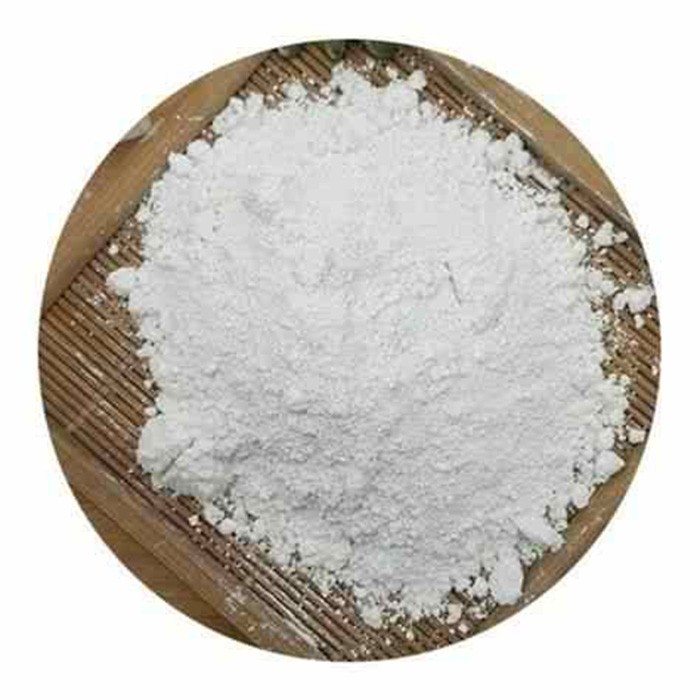
1 - naphthaleneboronic Acid is another important intermediate. It has some solubility in organic solvents like ethanol and dichloromethane. Its solubility in these solvents is due to the non - polar nature of the naphthalene ring and the interaction of the boronic acid group with the solvent molecules. This solubility allows it to be used in various coupling reactions during drug synthesis.
1,2 - Bis(2 - chloroethoxy)ethane is soluble in common organic solvents such as acetone and chloroform. This solubility makes it suitable for use in reactions where these solvents are used as reaction media.
Leveraging Solubility for Better Drug Development
By understanding the solubility properties of pharmaceutical intermediates, we can optimize the drug development process. For example, if we know that an intermediate has poor solubility in water but good solubility in a particular organic solvent, we can design the manufacturing process to use that solvent. This can lead to more efficient reactions and higher - quality drug products.
We can also use solubility data to improve the formulation of drugs. If an intermediate has low solubility in the body's fluids, we can explore ways to modify its structure or use excipients (inactive substances in a drug formulation) to enhance its solubility and bioavailability.
Contact Us for Your Pharmaceutical Intermediate Needs
If you're in the pharmaceutical industry and are looking for high - quality pharmaceutical intermediates, we're here to help. Our team has in - depth knowledge of the solubility properties of our products, which means we can provide you with the right intermediates for your specific needs. Whether you're working on a new drug development project or need to optimize your existing manufacturing process, we can offer the support and products you require. Get in touch with us to start a discussion about your requirements and how we can assist you in achieving your goals.
References
- "Pharmaceutical Chemistry: Principles and Practice" by Patrick, G. L.
- "Solubility and Related Properties in Pharmaceutical Sciences" by Avdeef, A.