


In large - scale industrial settings, proper storage of hydrochloric acid is of utmost importance. As a hydrochloric acid supplier, I understand the ins and outs of handling and storing this highly corrosive chemical. In this blog, I'll delve into the necessary storage conditions for hydrochloric acid in large - scale industries.

Chemical Properties of Hydrochloric Acid
Before discussing storage conditions, it's essential to understand the chemical nature of hydrochloric acid. Hydrochloric acid, with the Hydrochloric Acid CAS 7647 - 01 - 0, is a strong, highly corrosive acid. It is a colorless to slightly yellowish liquid with a pungent odor. In its concentrated form, it can emit fumes that are extremely irritating to the respiratory system, eyes, and skin.
Hydrochloric acid is miscible with water in all proportions, and the dissolution process is highly exothermic. This means that when water is added to concentrated hydrochloric acid, a large amount of heat is released, which can cause splashing and potential safety hazards.
Storage Location
The first aspect of storing hydrochloric acid in large - scale industrial settings is choosing the right location. The storage area should be well - ventilated. Good ventilation helps to disperse any fumes that may escape from the storage containers. An enclosed or poorly ventilated area can lead to the accumulation of hydrochloric acid fumes, which not only pose a risk to workers' health but can also corrode nearby equipment and structures over time.
The storage site should be isolated from incompatible substances. Hydrochloric acid reacts violently with many metals, such as sodium, potassium, and magnesium, producing hydrogen gas, which is highly flammable. It also reacts with strong bases, and the reaction can be extremely exothermic and may cause splashing. Therefore, it should be stored away from areas where these substances are present. For example, if there is a storage area for Methyl Acrylate CAS 96 - 33 - 3 or Epichlorohydrin CAS 106 - 89 - 8, proper separation must be maintained to prevent any accidental mixing.
The storage location should be on a flat, stable surface. Uneven surfaces can cause the storage containers to tip over, leading to spills. Additionally, the area should be protected from extreme weather conditions. Exposure to direct sunlight can increase the temperature inside the storage containers, which may cause the hydrochloric acid to expand and potentially rupture the containers. Heavy rain or flooding can also pose a risk, as water can dilute the acid or cause the containers to float and move, increasing the chance of spills.
Storage Containers
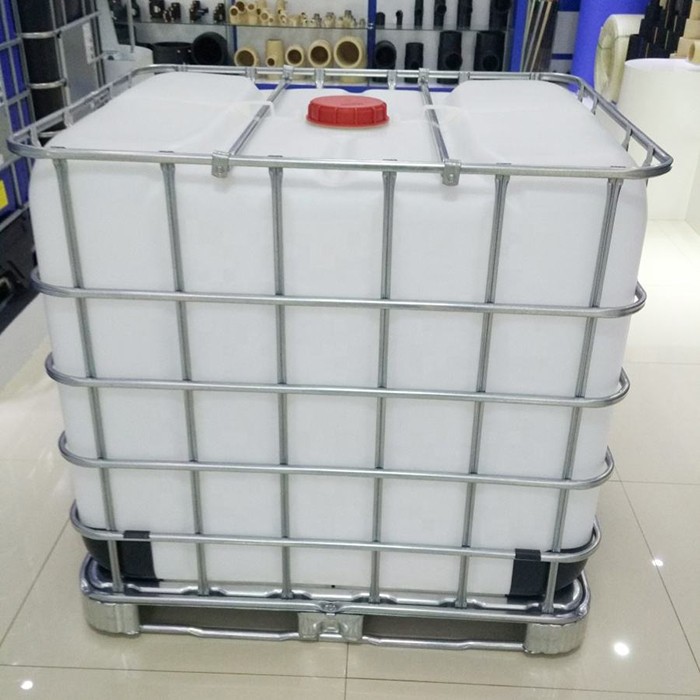
Selecting the appropriate storage containers is crucial for safely storing hydrochloric acid. In large - scale industrial settings, containers are typically made of materials that are resistant to the corrosive nature of hydrochloric acid.
One common choice is high - density polyethylene (HDPE) containers. HDPE is a thermoplastic polymer that has excellent chemical resistance to hydrochloric acid. It can withstand the corrosive action of the acid for an extended period without significant degradation. These containers are available in various sizes, from small drums to large storage tanks.
Another option is fiberglass - reinforced plastic (FRP) containers. FRP is a composite material made of a polymer matrix reinforced with glass fibers. It offers high strength and good chemical resistance. FRP tanks can be custom - fabricated to meet the specific storage requirements of an industrial facility.
The containers should be properly sealed to prevent any leakage. They should also be equipped with appropriate fittings and valves that are made of acid - resistant materials. For example, Teflon - lined valves are often used as Teflon has excellent chemical resistance to hydrochloric acid.
Temperature and Pressure Control
Temperature control is an important factor in the storage of hydrochloric acid. As mentioned earlier, hydrochloric acid is sensitive to temperature changes. High temperatures can increase the vapor pressure of the acid, leading to more fume emissions. In addition, the expansion of the acid due to heating can put stress on the storage containers, increasing the risk of rupture.
Ideally, the storage temperature should be maintained between 10°C and 30°C. In hot climates, cooling systems may be required to keep the temperature within this range. This can be achieved through the use of air - conditioning units or by installing cooling coils around the storage containers.
Pressure control is also necessary, especially in large - scale storage tanks. The tanks should be designed to withstand the internal pressure generated by the hydrochloric acid. Pressure - relief valves are often installed on the tanks to prevent over - pressurization. These valves open automatically when the pressure inside the tank exceeds a certain limit, allowing the excess pressure to be released safely.
Safety Measures
In any large - scale industrial storage of hydrochloric acid, safety measures are of the utmost importance. Workers who handle or are in the vicinity of the storage area should be properly trained. They should be educated about the hazards of hydrochloric acid, including its corrosive nature, the potential for fume inhalation, and the proper handling procedures.
Personal protective equipment (PPE) should be provided and worn at all times. This includes acid - resistant gloves, goggles, and protective clothing. In case of a spill, emergency response equipment such as spill kits should be readily available. The spill kits should contain materials that can neutralize the acid, such as sodium bicarbonate, as well as absorbent materials to soak up the spilled acid.
Regular inspections of the storage containers and the storage area should be carried out. This includes checking for signs of corrosion, leakage, or damage to the containers. Any issues should be addressed immediately to prevent further problems.
Monitoring and Maintenance
Continuous monitoring of the storage conditions is necessary to ensure the safety and integrity of the stored hydrochloric acid. This can involve monitoring the temperature, pressure, and level of the acid in the storage containers. Sensors can be installed to provide real - time data on these parameters.
Maintenance of the storage facilities is also crucial. The storage containers should be cleaned regularly to remove any deposits or residues that may accumulate over time. The valves, fittings, and other components of the storage system should be inspected and maintained to ensure proper functioning.
Conclusion
In conclusion, storing hydrochloric acid in large - scale industrial settings requires careful consideration of various factors. From choosing the right storage location and containers to controlling temperature and pressure, and implementing safety measures, every aspect plays a vital role in ensuring the safe storage of this highly corrosive chemical.
As a hydrochloric acid supplier, I am committed to providing high - quality hydrochloric acid and sharing the knowledge of proper storage and handling. If you are in need of hydrochloric acid for your industrial processes and want to ensure its safe storage, I encourage you to contact me for more information and to discuss your specific requirements. We can work together to find the best solutions for your hydrochloric acid storage needs.
References
- Kirk - Othmer Encyclopedia of Chemical Technology
- Handbook of Chemical Hazard Analysis Procedures