


What is Methyl Acrylate CAS 96-33-3
Methyl acrylate is an organic compound, more accurately the methyl ester of acrylic acid. It is a colourless liquid with a characteristic acrid odor. It is mainly produced to make acrylate fiber, which is used to weave synthetic carpets. It is also a reagent in the synthesis of various pharmaceutical intermediates.
Benefits of Methyl Acrylate CAS 96-33-3
Chemical Formula
The chemical formula, CH2=CHCOOCH3, encapsulates the composition of Methyl Acrylate. This specific formula guarantees its effectiveness and makes it suitable for a wide range of research purposes.
Suitability
The Methyl Acrylate Analytical Standard is carefully designed to meet the analytical needs of researchers and scientists. Its exceptional properties ensure that it is well-suited for various applications, providing consistent and reliable results.
Versatility
This high-quality analytical standard has various applications across different research fields, including chemical research and analysis, pharmaceutical research and development, environmental monitoring and analysis, polymer synthesis and characterization, and material science and engineering. Its versatility makes it an excellent choice for diverse scientific investigations and development.
Quality Control
The Methyl Acrylate Analytical Standard undergoes rigorous quality control procedures to meet the highest industry standards. It is extensively tested to ensure its purity, stability, and composition. This attention to detail ensures that you receive a product you can rely on for your critical analytical work.
Quantity Options
The Methyl Acrylate Analytical Standard is available in various quantities, making it easily accessible for your specific research needs. Whether you require a small amount for preliminary experiments or larger quantities for extensive studies, you can find the ideal package size that suits your requirements.


Why Choose Us
High Quality Products
We always put customer needs and expectations in the first place, refine on, continuous improvement, to seek every opportunity to do better, to provide customers with their expectations of quality products, to provide customers with the most satisfactory service at anytime.
Quality Control
All goods will undergo strict quality inspection before shipment. MCC always insists on providing high-quality products. We firmly believe that quality is the basis of everything.
Advanced Equipment
We take great measures to ensure that we work with the industry's highest quality equipment and that our equipment is regularly and meticulously maintained.
Professional Team
We have a team of skilled and experienced professionals who are well-versed in the latest technology and industry standards. Our team is dedicated to ensuring that our customers get the best service and support possible.
Competitive Prices
We offer our products at competitive prices, making them affordable for our customers. We believe that high-quality products should not come at a premium, and we strive to make our products accessible to all.
Rich Experience
Has a long-standing reputation in the industry, which makes it stand out from its competitors. With over many years of experience, they have developed the skills necessary to meet their clients' needs.
A fluidized bed process for the one-step synthesis of methyl acrylate (MA) using methyl acetate (Ma) and formaldehyde (FA) was developed for the first time. New spherical antiwear acid–base catalysts Cs–P/γ-Al2O3 were prepared using ultrasonic impregnation method and characterized with XRD, BET, SEM, PSD, ICP, TG/DTA, NH3-TPD, and CO2-TPD methods. Catalytic performance was evaluated, and 10.0 wt % Cs–5.0 wt % P/γ-Al2O3 with weak acid–base sites was determined to be the best catalyst for MA production. Response surface methodology (RSM) was employed to optimize aldol condensation of Ma with FA over 10.0 wt % Cs–5.0 wt % P/γ-Al2O3. The effects of various process parameters such as reaction temperature, molar ratio of Ma and FA, and liquid hourly space velocity (LHSV) on MA yield were addressed by Box–Behnken experimental design (BBD). The coefficient of determination (R2) of this model was 0.997, and 39.5 mol % yield of MA was obtained after optimization. The developed catalyst exhibited high stability, with no significant decrease in catalytic activity after 1000 h of lifetime evaluation.
Copolymerization Characteristics of Methyl Acrylate and Methyl Methacrylate
The infrared absorption spectra of polymers and copolymers of methyl acrylate and methyl methacrylate have been measured, and then used as the basis of a spectrophotometric method for the analysis of the copolymers. The 6.73 μ band, which may be due to methyl (–C–CH3) vibration, was selected as the key band for measuring the methyl methacrylate component, while the 6.89 μ band was used as the standard. The monomer reactivity ratios for copolymerization of methyl acrylate-methyl methacrylate system have been determined to be r1=0.5±0.1, and r2=2.3±0.4 (M1 methyl acrylate, M2; methyl methacrylate) at 130°C. These values are in good agreement with those previously obtained by the deuterium tracer method. It has also been shown that the procedure used in this study is appropriate for the analyses of methyl acrylate-methyl methacrylate copolymers.
Premium Grade Methyl Acrylate for Various Industrial Applications - CAS No. 96-33-3
Chemical Industry
Methyl Acrylate serves as a fundamental component in the manufacture of methacrylate resins and plastics, revealing its critical function in the industry.
Textile Industry
Its utilization in treating leather, paper, and textiles, has marked a revolutionary development in the industry.

Adhesive Industry
With its adhesive properties, it has made significant strides in surface coatings, sealants, and adhesives production, setting new standards in the industry.
Pharmaceutical Industry
The compound's utilization in the production of various medicines has rendered it indispensable in the pharmaceutical field.
Storage of Methyl Acrylate
Storage Temperature
Store methyl acrylate in a cool, dry place at room temperature (15-25 degrees Celsius). Avoid exposure to direct sunlight and high temperatures.
Packaging
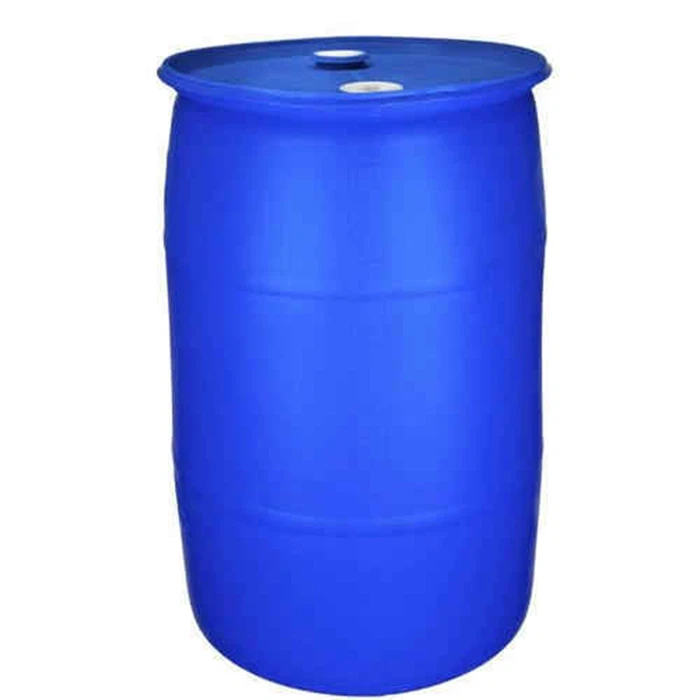
Methyl acrylate is usually supplied in sealed metal or plastic containers. Make sure the container is intact. And well sealed. Avoid using broken or leaking containers.
Avoid Light
Methyl acrylate is prone to photo-oxidation reactions in the sun. Causes degradation and deterioration. Therefore, exposure to direct sunlight should be avoided during storage.
Ventilation
When storing methyl acrylate, good ventilation conditions need to be maintained. to prevent potential dangers. Avoid storage in closed spaces.
Keep Away From Fire Sources
Methyl acrylate is a flammable liquid, so it should be kept away from open flames, high temperatures and fire sources.
Avoid Contact With Other Chemicals
Methyl acrylate is highly corrosive and may cause danger when reacting with some substances. When storing, it should be kept away from acids, alkalis, oxidants and other
Chemicals that are incompatible with him.
Storage Capacity
Select the appropriate capacity for storage based on usage needs and safety requirements.
Labeling
When storing methyl acrylate, make sure the container is clearly and visiblely labeled with the chemical name, hazard symbols, and safety instructions.
Process for the Production of Methyl Acrylate
Acrylic acid, methanol and catalyst need to be prepared. Acrylic acid is the main reactant, methanol is the alcoholizing agent, and the role of the catalyst is to accelerate the reaction rate.
The manufacture of methyl acrylate mainly uses esterification reaction. The specific steps are as follows: add acrylic acid and methanol into the reactor according to a certain ratio, and add the catalyst at the same time. Under certain temperature and pressure, the esterification reaction is carried out. This process requires controlling the reaction rate and temperature to ensure the progress of the reaction and the quality of the product. After the reaction is completed, distillation separation is performed to obtain crude methyl acrylate.
Post-processing is an essential step in the manufacturing process of methyl acrylate, which mainly includes the following aspects: Distillation and purification: Distill and purify the crude methyl acrylate to remove impurities and moisture to obtain a high-purity methyl acrylate product. Waste liquid treatment: Treat the waste liquid generated during the reaction to avoid environmental pollution. Equipment cleaning: Clean the reactor and related equipment to ensure the smooth progress of the next reaction.
During the manufacturing process of methyl acrylate, the following matters need to be paid attention to: Strictly control the quality and proportion of raw materials to ensure the smooth progress of the reaction. Control the reaction temperature and pressure to avoid side reactions and equipment damage. Perform regular maintenance and overhaul of equipment to ensure normal operation of equipment and product quality. Strengthen waste liquid treatment and environmental protection management to reduce environmental pollution.
Methyl Acrylate (Cas 96-33-3) Market Analysis and Latest Trends
Methyl acrylate (CAS 96-33-3) is a colorless liquid ester primarily used as a raw material in the production of adhesives, coatings, and paints. It is also used in the manufacture of polymers, textiles and plastics. Methyl acrylate is highly flammable and can cause health hazards if not handled properly.
The methyl acrylate market is expected to witness significant growth over the forecast period. Rising demand for adhesives and coatings in various industries such as automotive, construction, and electronics is driving the market growth. The growing trend of lightweight and fuel-efficient vehicles is further driving the demand for methyl acrylate-based adhesives and coatings.
The construction industry is also a significant consumer of methyl acrylate as it is used in the production of sealants, primers and waterproofing coatings. The booming construction industry in emerging economies is driving market growth.
Rising awareness about environmental issues and shift towards sustainable products are driving the demand for bio-based methyl acrylate. Bio-based methyl acrylate is produced from renewable resources such as vegetable oils, making it an environmentally friendly alternative to traditional methyl acrylate.
In terms of regional analysis, Asia Pacific is expected to dominate the methyl acrylate market during the forecast period. Rapid industrialization, infrastructure development, and rising consumer demand in countries such as China and India are driving market growth in this region.
The methyl acrylate (CAS 96-33-3) market will grow at a significant rate, driven by rising demand from various end-use industries, shift towards bio-alternatives, and growing construction industry. The market is expected to register a CAGR of % during the forecast period.
What Are The Key Opportunities For Methyl Acrylate (Cas 96-33-3) Manufacturers
The Methyl Acrylate (Cas 96-33-3) market has been experiencing steady growth in recent years. The demand for methyl acrylate has been primarily driven by its use in the production of coatings, adhesives, and textiles. The market is expected to witness further growth in the coming years due to increasing industrial applications of methyl acrylate and the growing demand for innovative and sustainable products. Moreover, the market is likely to witness significant growth in the Asia-Pacific region, owing to the rapid industrialization, urbanization, and increasing disposable income in countries like China and India. Overall, the future outlook for the methyl acrylate market appears promising, with increasing demand and opportunities for market players.
Shanghai Yuze Chemical technology co.,ltd, found in 2017, which is headquartered in Pudong, Shanghai, China. We are an excellent supplier specializing in intermediates and fine chemicals etc., We regard product quality and credibility as the life of the enterprise. The management team has more than 10 years of experience in the industry and pays close attention to market dynamics. With a keen sense of market smell, we provide our customers the most professional services and cutting-edge products.

Certifications


FAQ
Hot Tags: methyl acrylate cas 96-33-3, China methyl acrylate cas 96-33-3 manufacturers, suppliers, factory, Benzene, Phenol, Di-N-hexylamine, Pharmaceutical Intermediates, hydrofluoric acid, 2-Butanone


