


Phenol, also known as carbolic acid, is a crucial industrial chemical with a wide range of applications. As a trusted phenol supplier, I am excited to share with you the diverse uses of phenol in various industries.
1. Production of Plastics and Resins
One of the most significant uses of phenol is in the production of plastics and resins. Phenol - formaldehyde resins are among the earliest synthetic polymers. These resins are formed through the reaction of phenol with formaldehyde under specific conditions.
Phenol - formaldehyde resins have excellent heat resistance, mechanical strength, and electrical insulation properties. They are widely used in the manufacturing of electrical components such as switches, sockets, and circuit breakers. In the automotive industry, they are used for making parts like brake pads and clutch facings due to their high - temperature stability and friction resistance.
Another important plastic derived from phenol is polycarbonate. Although the production process is more complex, phenol is an essential starting material. Polycarbonate is a transparent, strong, and lightweight plastic. It is commonly used in the production of safety glasses, CDs, DVDs, and automotive headlight lenses. The high impact resistance and optical clarity of polycarbonate make it a preferred choice in these applications.
2. Adhesives and Bonding Agents
Phenol - based adhesives are widely used in the woodworking industry. These adhesives offer strong bonding and good resistance to moisture and heat. They are used to bond plywood, particleboard, and other wood products. The phenol - formaldehyde adhesives can penetrate the wood fibers, creating a strong and durable bond. This makes the final wood products suitable for both indoor and outdoor applications.
In addition to woodworking, phenol - based adhesives are also used in the aerospace and automotive industries for bonding metal parts, composites, and other materials. Their high - strength bonding properties and resistance to harsh environmental conditions make them ideal for these demanding applications.
3. Pharmaceuticals
Phenol has a long history of use in the pharmaceutical industry. It has antiseptic and disinfectant properties. In the past, it was used directly as a topical antiseptic, although its use has become more limited due to its potential toxicity.

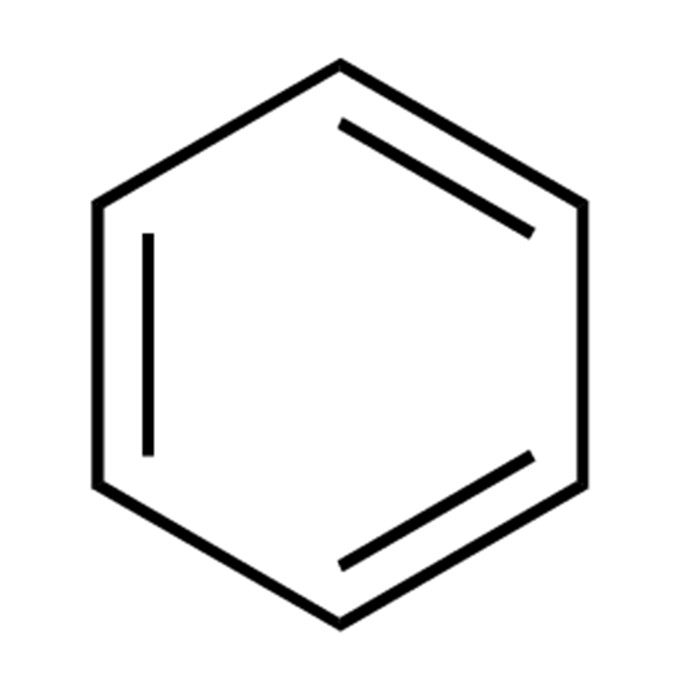
However, phenol is an important intermediate in the synthesis of many pharmaceutical drugs. For example, it can be used to synthesize salicylic acid, which is a key ingredient in aspirin and other non - steroidal anti - inflammatory drugs (NSAIDs). Phenol can also be used in the production of certain antibiotics and analgesics. The chemical structure of phenol allows for various chemical modifications, enabling the synthesis of a wide range of pharmaceutical compounds.
4. Dyes and Pigments
Phenol is used in the production of dyes and pigments. It can serve as a starting material or an intermediate in the synthesis of various colored compounds. For example, some azo dyes are synthesized using phenol as one of the key components. Azo dyes are widely used in the textile industry to color fabrics due to their bright colors and good colorfastness.
In the paint industry, phenol - based pigments can be used to provide color and improve the durability of paints. These pigments can resist fading, weathering, and chemical attack, making them suitable for both indoor and outdoor painting applications.
5. Petroleum Refining
In the petroleum refining process, phenol can be used as a solvent for extracting certain components from crude oil. It can selectively dissolve some aromatic compounds, allowing for their separation and purification. This is important for producing high - quality fuels and lubricants.
Phenol can also be used in the treatment of petroleum products to remove impurities and improve their performance. For example, it can react with sulfur compounds in the oil, reducing the sulfur content and thus reducing the environmental impact of burning the fuel.
6. Chemical Synthesis
Phenol is a versatile building block in chemical synthesis. It can react with many other chemicals to form a wide variety of products. For instance, it can react with Sodium Hydroxide CAS 1310 - 73 - 2 to form sodium phenoxide, which is used in the production of various organic compounds.
Phenol can also be used in the synthesis of alkylphenols. Alkylphenols are used in the production of surfactants, which are widely used in detergents, emulsifiers, and other industrial and household products. The reaction of phenol with Benzene CAS 71 - 43 - 2 can lead to the formation of biphenyl compounds, which have applications in the electronics and pharmaceutical industries.
7. Rubber Industry
In the rubber industry, phenol - based antioxidants are used to prevent the degradation of rubber products. These antioxidants can react with free radicals that are formed during the aging process of rubber, thereby extending the lifespan of rubber products. Phenol - formaldehyde resins can also be used as reinforcing agents in rubber compounds, improving the mechanical properties of the rubber such as hardness, strength, and abrasion resistance.
8. Food and Beverage Industry
Although used in a more limited way, phenol derivatives can be used in the food and beverage industry. For example, some phenol - based antioxidants are used to prevent the oxidation of fats and oils in food products, extending their shelf - life. These antioxidants can prevent the development of off - flavors and odors in the food.
9. Textile Industry
Phenol - based compounds can be used in the textile industry for various purposes. They can be used as finishing agents to improve the properties of fabrics such as wrinkle resistance, shrinkage control, and flame retardancy. Some phenol - based dyes are also used to color the textiles, providing bright and long - lasting colors.
10. Water Treatment
Phenol can be used in water treatment processes. It can react with certain pollutants in water, such as heavy metals and organic contaminants. By forming complexes or precipitates with these pollutants, phenol can help remove them from the water, improving the water quality.
As a phenol supplier, we understand the importance of phenol in these diverse industries. We are committed to providing high - quality phenol products that meet the strict requirements of our customers. Our phenol is produced using advanced technologies and under strict quality control measures to ensure its purity and consistency.
If you are interested in purchasing phenol for your industrial applications, we invite you to contact us for a detailed discussion. We can provide you with the necessary technical support and competitive pricing. Whether you are a small - scale manufacturer or a large - scale industrial enterprise, we have the capacity to meet your needs.
References
- Kirk - Othmer Encyclopedia of Chemical Technology
- Ullmann's Encyclopedia of Industrial Chemistry
- Journal of Industrial and Engineering Chemistry Research
- Industrial Organic Chemistry by Klaus Weissermel and Hans - Jürgen Arpe