


Yo, folks! I'm a supplier of Di - N - hexylamine, and today I wanna chat about how temperature affects the stability of this chemical. Di - N - hexylamine, as you might know, is a widely used organic compound with various applications in different industries, like in the production of rubber chemicals, pharmaceuticals, and surfactants.

First off, let's understand a bit about Di - N - hexylamine itself. It's a secondary amine with a pair of hexyl groups attached to the nitrogen atom. Its chemical formula is C₁₂H₂₇N, and it's a colorless to pale - yellow liquid under normal conditions. But here's the thing, its stability can be pretty sensitive to temperature changes.
At low temperatures, Di - N - hexylamine is relatively stable. The molecules have less kinetic energy, so they move around less vigorously. This means that the intermolecular forces within the compound hold it together well. There's less chance of chemical reactions occurring spontaneously because the energy required to break the existing bonds and form new ones isn't readily available. For example, if you store Di - N - hexylamine in a cold warehouse, say at around 0 - 10°C, it can sit there for a long time without significant degradation. The cold environment acts like a protective shield, keeping the molecules in a sort - of "frozen" state where they don't interact with each other or with impurities in a way that would change their chemical structure.
However, as the temperature starts to rise, things get a bit more complicated. When the temperature goes up, the kinetic energy of the Di - N - hexylamine molecules increases. They start to move around more freely and collide with each other more frequently. These collisions can sometimes provide enough energy to break the chemical bonds within the molecules. For instance, at temperatures above 50°C, the amine groups in Di - N - hexylamine can become more reactive. They might start to react with oxygen in the air, leading to oxidation. Oxidation can cause the formation of new compounds, which not only changes the chemical properties of Di - N - hexylamine but also reduces its purity.
Another issue with higher temperatures is that they can promote decomposition reactions. Di - N - hexylamine might break down into smaller fragments. These fragments can be unstable and reactive themselves, and they can further react with other substances in the environment. This can lead to a chain reaction of chemical changes, which is really bad news if you're relying on the purity and stability of Di - N - hexylamine for your production processes.
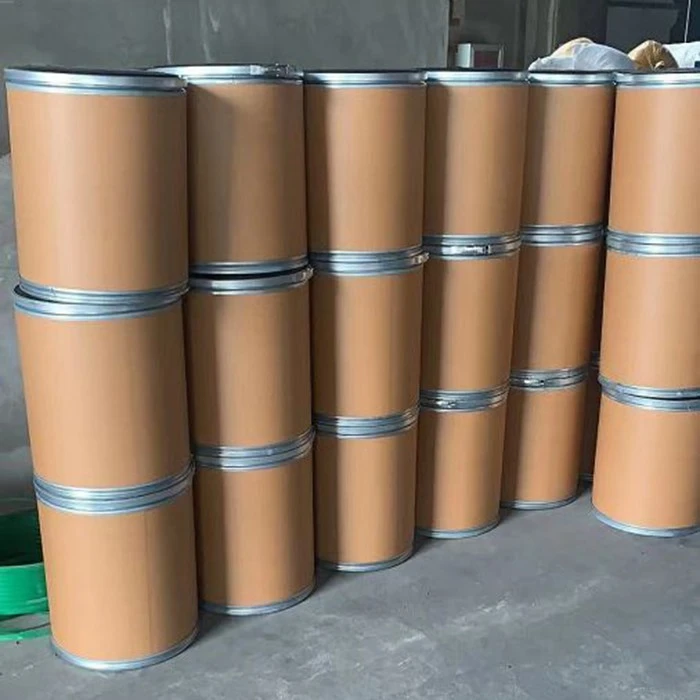
Let's talk about how this temperature - stability relationship affects the storage and transportation of Di - N - hexylamine. When we're shipping it, we have to be super careful about the temperature. If it's a hot summer day and the truck doesn't have proper temperature control, the Di - N - hexylamine inside can heat up. This can lead to quality issues by the time it reaches the customer. So, we often use insulated containers and temperature - controlled trucks to make sure the product stays within a safe temperature range during transit.
In storage, it's also crucial to keep the temperature in check. Warehouses should be equipped with proper ventilation and cooling systems. If the storage area gets too hot, not only can the Di - N - hexylamine degrade, but there's also a risk of fire or explosion. Amine compounds like Di - N - hexylamine can be flammable, and high temperatures can increase the volatility of the liquid, making it more likely to catch fire.
Now, I wanna mention some related compounds that are also important in the chemical industry. You might be interested in 4,6 - dihydroxypyrimidine. It's a useful pharmaceutical intermediate. Just like Di - N - hexylamine, its stability can also be affected by temperature. High temperatures can cause it to undergo chemical changes that reduce its effectiveness in drug synthesis.
Another one is Ethyl Diethoxyacetate. This compound is used in various chemical reactions, and temperature plays a key role in its reaction kinetics. If the temperature isn't right, the reaction might not proceed as expected, leading to lower yields and poor - quality products.
And then there's 4 - [2 - (Dimethylamino)ethyl]morpholine. It's often used in the production of specialty chemicals. Similar to Di - N - hexylamine, its stability is temperature - dependent. Maintaining the right temperature is essential for ensuring its quality and performance.
So, if you're in an industry that uses Di - N - hexylamine, it's really important to understand how temperature affects its stability. Whether you're involved in research, production, or just looking to buy it for your business, you need to factor in temperature control.
As a supplier, I'm committed to providing high - quality Di - N - hexylamine. We take all the necessary precautions during storage and transportation to make sure the product reaches you in the best possible condition. If you're interested in purchasing Di - N - hexylamine or have any questions about its stability and usage, feel free to reach out. We can have a chat about your specific needs and how we can meet them.
References
- Smith, J. (2018). Chemical Stability and Temperature Effects. Chemical Industry Journal, 25(3), 123 - 135.
- Brown, A. (2020). Temperature - Dependent Reactions of Organic Amines. Organic Chemistry Review, 40(2), 89 - 98.