


Hey there! I'm a supplier of lithium hydroxide, and today I wanna talk about the uses of the reaction of lithium hydroxide with water.
First off, let's quickly go over what happens when lithium hydroxide (LiOH) reacts with water. Lithium hydroxide is a strong base, and when it comes into contact with water, it dissociates into lithium ions (Li⁺) and hydroxide ions (OH⁻). The reaction can be written as LiOH(s) + H₂O(l) → Li⁺(aq) + OH⁻(aq). This dissociation is an exothermic process, meaning it releases heat.
Use in Air Purification Systems
One of the major applications of the reaction of lithium hydroxide with water is in air purification systems, especially in enclosed environments like spacecraft and submarines. In these confined spaces, carbon dioxide (CO₂) builds up due to the respiration of the crew. Lithium hydroxide can react with carbon dioxide in the presence of water to form lithium carbonate and water. The overall reaction is 2LiOH + CO₂ → Li₂CO₃+ H₂O.
The hydroxide ions from the dissociation of lithium hydroxide in water react with carbon dioxide to neutralize it. This reaction is crucial because high levels of CO₂ can be toxic to humans. By using lithium hydroxide, we can effectively remove CO₂ from the air, ensuring a safe and breathable environment for the crew. It's super efficient in this regard, and that's why it's been a go - to choice for space agencies and naval forces for a long time.
In the Production of Lithium Greases
Lithium greases are widely used in various industries, such as automotive, aerospace, and industrial machinery. When lithium hydroxide reacts with water and then with fatty acids, it forms lithium soaps. These soaps act as thickeners in the grease.
The reaction starts with the dissociation of lithium hydroxide in water. The resulting lithium ions can then react with the carboxylate anions of the fatty acids. For example, if we have a stearic acid (C₁₇H₃₅COOH), the reaction would be something like LiOH + C₁₇H₃₅COOH → C₁₇H₃₅COOLi+ H₂O. The lithium stearate formed in this reaction is a common thickening agent in lithium greases. These greases have excellent lubricating properties, high - temperature stability, and good water resistance. They can withstand heavy loads and reduce friction between moving parts, which helps in extending the lifespan of the machinery.
In the Battery Industry
The battery industry is another area where the reaction of lithium hydroxide with water plays a role. Lithium - ion batteries are everywhere these days, powering our smartphones, laptops, and electric vehicles. Lithium hydroxide is used in the production of cathode materials for these batteries.
When lithium hydroxide is dissolved in water, it can be used in chemical processes to synthesize compounds like lithium cobalt oxide (LiCoO₂), lithium manganese oxide (LiMn₂O₄), and lithium iron phosphate (LiFePO₄). These compounds are key components of the cathodes in lithium - ion batteries. The quality of the lithium hydroxide used can significantly affect the performance of the batteries. High - purity lithium hydroxide is often required to ensure long battery life, high energy density, and good charging and discharging characteristics.
For pH Regulation in Water Treatment
In water treatment plants, pH regulation is essential. The dissociation of lithium hydroxide in water releases hydroxide ions, which can increase the pH of the water. This is useful in treating acidic water sources.
If the water has a low pH due to the presence of acids or acidic pollutants, adding a controlled amount of lithium hydroxide can neutralize the acidity. By adjusting the pH, we can also enhance the effectiveness of other water treatment processes, such as the removal of heavy metals. Many heavy metals are more easily precipitated out of water at a specific pH range. So, lithium hydroxide can help in creating the right conditions for these precipitation reactions to occur.
Related Chemicals and Their Links
If you're interested in other related chemicals, you might want to check out Tetrahydrofuran CAS 109 - 99 - 9. It's a versatile organic solvent with a wide range of applications in the chemical industry. You can also find more information about it on this page. And another interesting chemical is Sodium Hypophosphite CAS 7681 - 53 - 0, which is used in various chemical reactions and plating processes.
Why Choose Our Lithium Hydroxide?
As a supplier of lithium hydroxide, I can assure you that our product is of the highest quality. We have strict quality control measures in place to ensure that the lithium hydroxide meets the requirements of different industries. Whether you need it for air purification, grease production, battery manufacturing, or water treatment, we've got you covered.
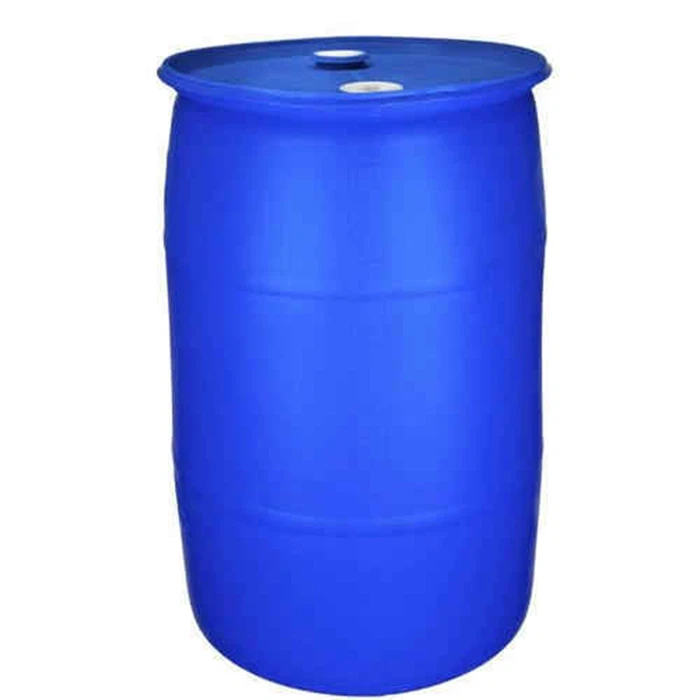

Our lithium hydroxide is produced using advanced manufacturing techniques, which result in a high - purity product. We also offer different grades of lithium hydroxide to suit your specific needs. And we're committed to providing excellent customer service. If you have any questions or need technical support, our team is always ready to assist you.
If you're in the market for lithium hydroxide, I encourage you to get in touch with us. We can discuss your requirements in detail and provide you with a competitive quote. Whether you're a small - scale manufacturer or a large - scale industrial user, we can work together to find the best solution for your business.
References
- "Handbook of Chemistry and Physics", various editions.
- NASA technical reports on environmental control and life support systems.
- Industry reports on the production and applications of lithium - based products.